
Vascular Disease and Wound Healing
When Circulation Is Compromised, Healing Slows—We Help Reverse That.
At Royal Wound Care, we specialize in treating wounds complicated by vascular disease—particularly those that stem from poor arterial or venous blood flow. These wounds don’t just need dressing changes—they need advanced, proactive care that targets the root cause.
Our board-trained clinicians treat vascular-related wounds directly at the bedside, ensuring patients receive high-quality care without needing to leave their facility.
Find Wound Care Near You
If you or a loved one is struggling with a wound that won’t heal, a Royal Wound Care Wound Care Center can help. Since there is no need for a referral, your treatment is only a click and call away.
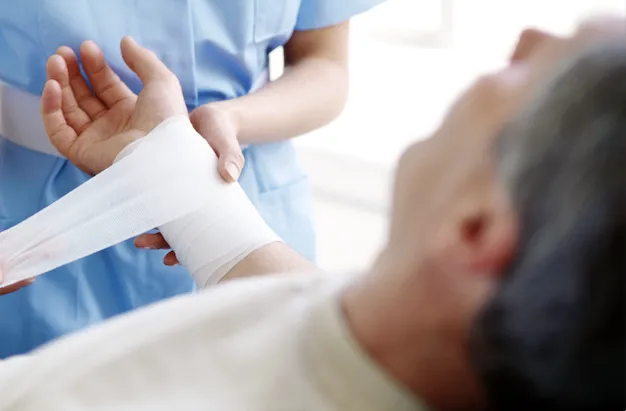
The Vascular Connection
When circulation is impaired, the body struggles to deliver oxygen and nutrients needed for tissue repair.
This leads to:
Chronic, non-healing wounds (especially on legs, ankles, and feet)
Increased infection risk
Greater likelihood of hospitalization or even amputation
Without proper vascular assessment and timely wound care intervention, small ulcers can quickly become life-altering medical emergencies.
Our Wound Care Model for Vascular Disease
Individualized Treatment Protocols

Advanced Therapies at the Bedside

Collaborative, Multidisciplinary Care

Real-Time Documentation & Compliance

Want to Learn More About Vascular Wound Care Solutions?
If your facility is treating patients with chronic wounds tied to poor circulation, early intervention can mean the difference between healing and hospitalization
Our team is here to help you:
Reduce wound-related hospitalizations
Prevent avoidable amputations
Improve outcomes with bedside vascular care
Stay fully compliant with wound documentation standards
Get a personalized care plan, ask questions, or learn more about how Royal Wound Care can help you heal faster and more comfortably—right where you are.

Interested in Partnering with Royal Wound Care?
Let’s explore how we can bring expert bedside wound care to your facility—improving outcomes, reducing readmissions, and taking the burden off your staff.
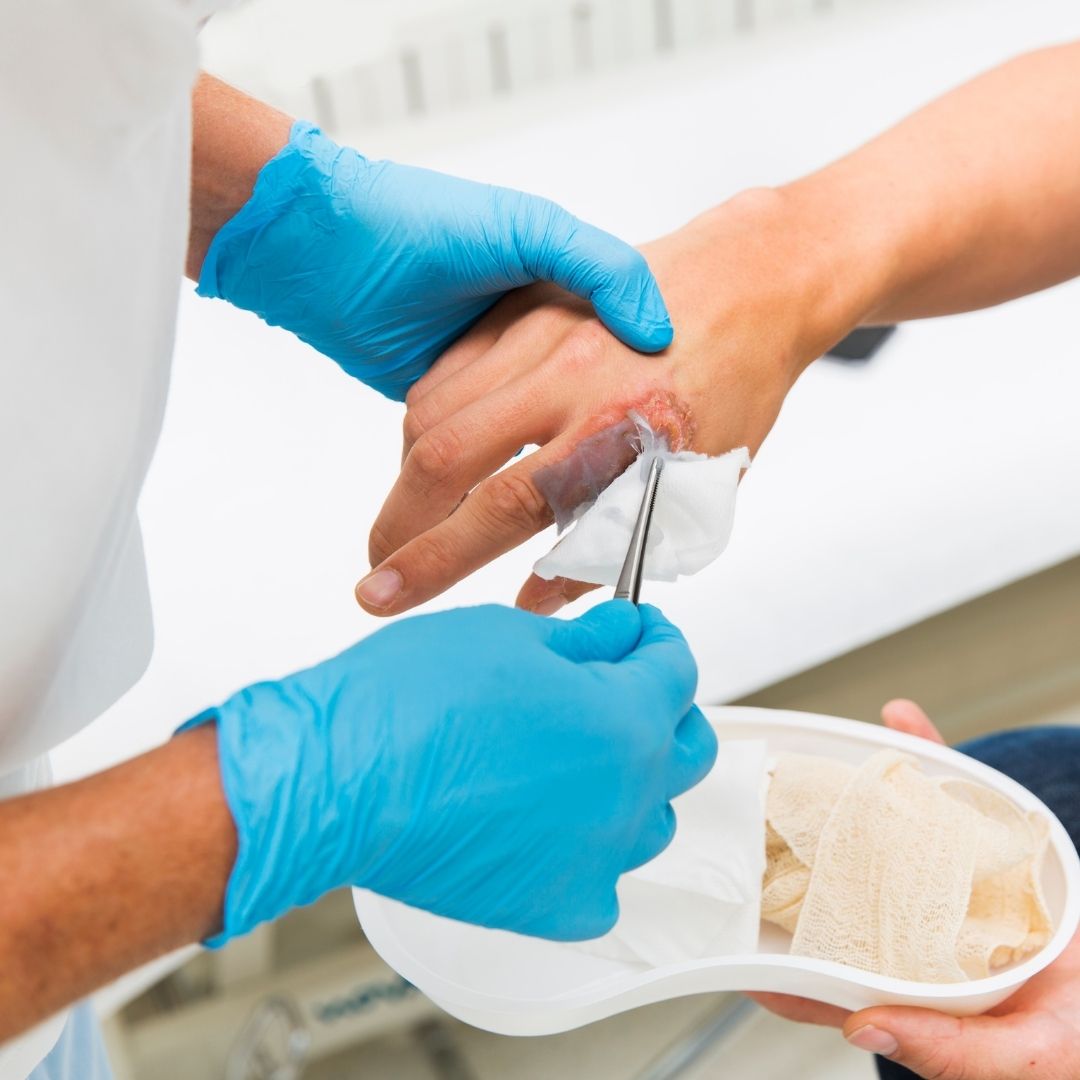
When to Discontinue Wound Vac Therapy: A Practical Guide
When to Discontinue Wound Vac Therapy: A Practical Guide
If you’ve been using a wound vac, you’re probably wondering when the device can finally come off. Negative pressure wound therapy can be an important part of treating a complex or chronic wound, but it isn’t meant to be used indefinitely. How long you have to use it depends on how the wound’s responding and what best supports your treatment plan.
While it’s a powerful tool, leaving it on for too long can actually do more harm than good. To figure out where you’re at in your recovery, your provider will look at the wound itself, including its size, depth, tissue quality, drainage, and overall progress. Other factors, such as infection and your general health, can also affect whether it’s time to transition to another form of wound care.
At Royal Wound Care, we regularly use wound vacs to improve healing times and reduce complications for patients throughout the greater San Fernando Valley. That's why we've put together this guide. We’ll share the factors that may signal a wound is ready to transition away from the device, how the therapy works, and what you can expect after removal.
When to Discontinue Wound Vac Therapy
Wound vac therapy, also called negative pressure wound therapy, uses controlled suction to remove excess fluid from a wound and support the development of healthy tissue. It's often used for complex or slow-to-heal wounds that need additional support as they heal. Sometimes, a provider may even use it to prepare a wound for another type of treatment.
The decision to stop therapy isn't based on any one single factor or even a specific number of days. Instead, it depends on your wound's progress, your overall treatment goals, and a hands-on clinical assessment by your provider.
A wound that is healing well, has healthy tissue, is shrinking, and is producing less drainage may be ready for a different type of wound care. On the other hand, a slow healing wound or a wound showing signs of infection may need to continue negative pressure wound therapy.
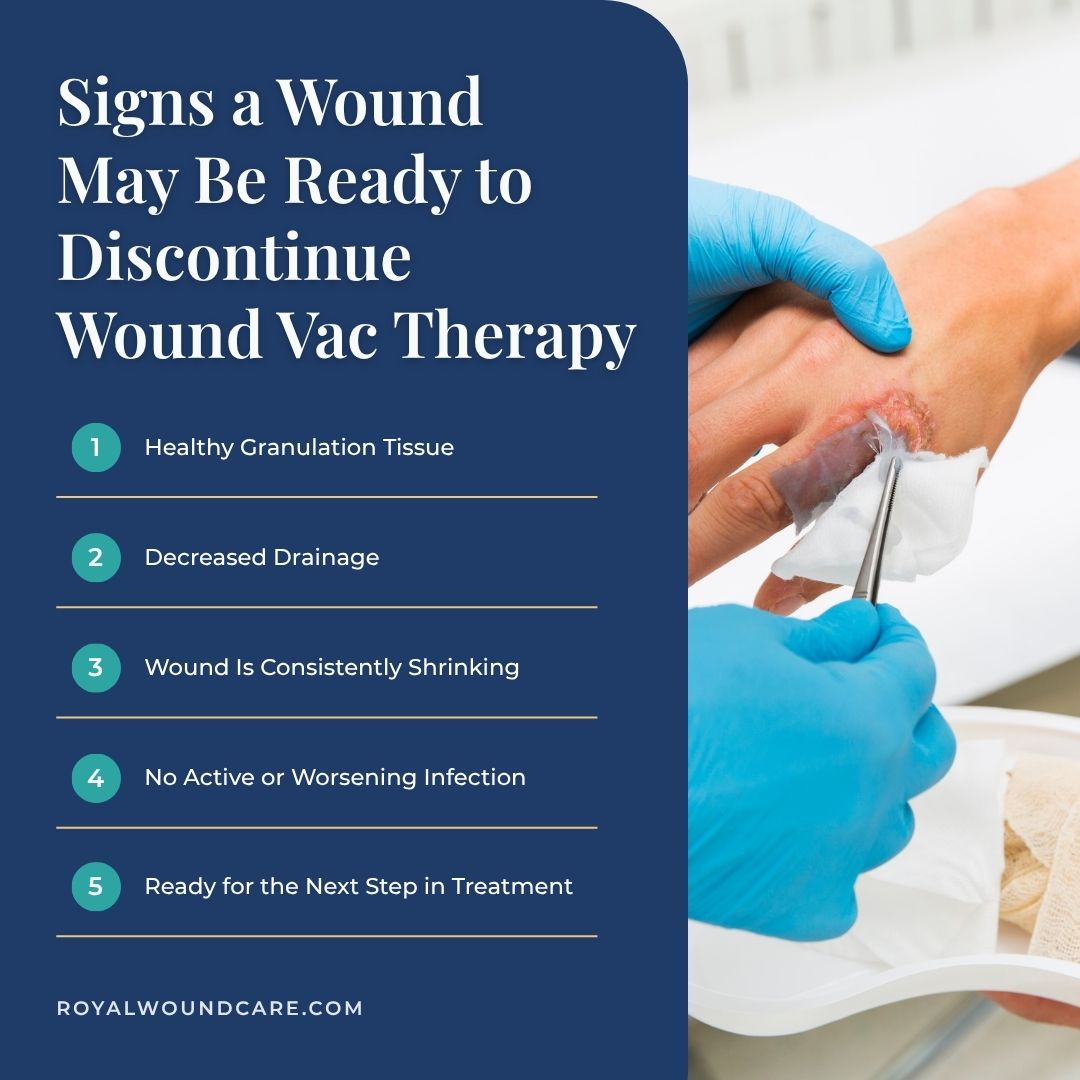
How Do You Know When to Discontinue Wound Vac Therapy?
There's no single test that tells your provider that your wound is ready for another type of care. They’ll look at the bigger picture and consider a combination of signs. Think of the factors below as general guidelines rather than firm cutoffs:
Granulation
Healthy granulation tissue is one of the signs your provider may look for when analyzing how well your wound is healing. This pink or red tissue is made of capillaries, fibroblasts, and immune cells, and it develops as a wound fills in. It essentially creates a stable wound bed as your wound continues to heal.
Negative pressure wound therapy can support granulation tissue formation, but the wound bed's appearance and quality still need to be evaluated clinically. If the wound bed has developed healthy tissue and is progressing appropriately, your provider may begin considering the next steps.
Drainage
The amount and type of drainage can also provide useful information about where a wound is at in the healing timeline. As some wounds improve, drainage may decrease. In terms of treatment, this means there is less excess fluid for the wound vac to remove.
However, drainage alone doesn't determine whether therapy should stop. Your provider will consider the amount, appearance, and changes in drainage, along with factors like the wound's size and tissue quality.
If you’re interested in learning more, our guide on the types of drainage from wounds is a great resource to start with.
Wound Size
Changes in wound size is another important part of monitoring progress. As a wound becomes smaller and shallower, the edges of the wound may gradually move closer together. Not all injuries are the same, though; it depends on the wound's location and surrounding tissue.
Your provider may measure the wound during regular visits to compare changes over time. A wound that's consistently shrinking generally is a positive sign that the wound is healing. But as with everything else, wound size is considered alongside the rest of the healing experience.
Infection Status
A wound with an active or worsening infection may need a different treatment approach. Your provider will examine the wound and surrounding skin for signs of infection, while also considering changes in pain, drainage, odor, warmth, and swelling.
If you notice increasing redness, warmth, swelling, drainage, odor, or worsening pain, contact your healthcare provider rather than assuming the wound vac should simply remain in place. Our guide on how to tell if a wound is infected covers some of the warning signs to watch for.
Readiness for the Next Step
Sometimes the reason for discontinuing wound vac therapy is simply that the wound is ready for another type of treatment. Depending on the wound, that could mean transitioning to a different dressing, preparing for surgical closure, using a skin substitute, or considering skin grafting.
The goal isn't just to remove the wound vacuum. It's to determine whether the wound has reached a point where another treatment is more appropriate for the next stage of healing.
How Does a Wound Vac Work?
As a patient, understanding how a wound vac works can make the entire wound healing process feel much less intimidating. It can also make it easier to understand why your provider may recommend continuing or discontinuing the therapy. Here’s how a wound vac works in practice:
The Seal
A provider will place a specialized dressing over the wound and cover it with an adhesive film to create a sealed environment. Tubing connects the dressing to the vacuum pump, allowing the negative pressure to be applied to the wound.
If the seal becomes loose, follow the instructions provided by your wound care team. Don't change the pressure settings or dressing system yourself unless you've been specifically instructed and trained to do so.
The Vacuum Pump
The vacuum pump provides the controlled suction that powers the system. Depending on the type of wound and the specific device, negative pressure may be applied continuously or intermittently. Your provider determines the appropriate settings for your wound.
Fluid Removal
One of the main functions of negative pressure wound therapy is to remove excess fluid from the wound. Managing this fluid can help support an appropriate wound environment by preventing skin maceration and bacteria buildup while the tissue continues to heal.
Your provider will use the amount of collected fluid as clues about your healing progress. It’s worth repeating, though, that this one factor alone isn’t enough to determine whether it's time to discontinue therapy.
Tissue Support
Negative pressure also creates mechanical forces at the wound surface. These forces can help pull the edges of the wound together and support wound-bed changes, including granulation tissue formation.
The way a wound responds depends on factors such as its type, location, size, blood supply, and the patient's overall health. That's why negative pressure wound therapy should be monitored as part of an individualized wound care plan.
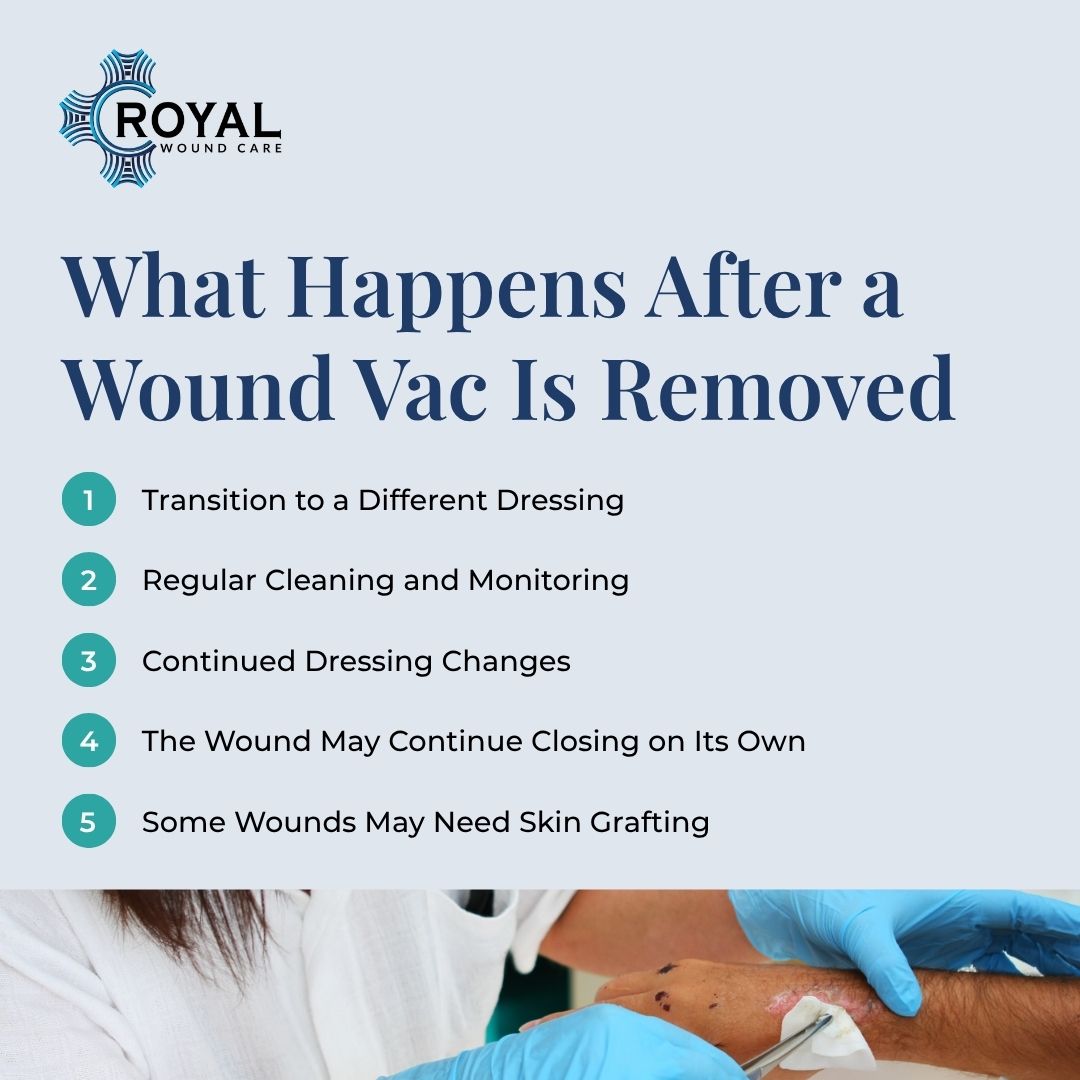
What Happens After a Wound Vac is Removed?
Having a wound vac removed doesn’t necessarily mean the wound is completely healed. In many cases, removal is a sign that you’re ready to move onto the next stage of wound care, especially if you have a chronic wound or high-risk injury.
Your provider may transition you to a different dressing suited to the wound's stage of recovery. The wound may still need regular cleaning, monitoring, and dressing changes for some time. Some wounds continue to close on their own with this ongoing care, while others may need a procedure like skin grafting. How long it takes to recover varies from person to person, which is what we discuss in our guide, “How Long Do Wounds Take to Heal?”
You'll also want to keep an eye on the wound during this phase. Watch for increased redness, swelling, warmth, odor, or a change in drainage, as these can signal a problem that deserves a closer look by your care team. If anything about the wound seems to be moving backward, don't wait to reach out to your provider for an assessment. (We talk more about signs to look for in our article, “When to See a Wound Care Specialist.”
These wounds can be complex, but it’s exactly what our team focuses on every day. Board-certified wound specialist Dr. Moaddel brings a background spanning general surgery, family medicine, and cosmetic surgery to wound care, ensuring each plan considers both the wound and the broader health concerns affecting recovery.
Wound Vac Support Across the San Fernando Valley
If you’ve been dealing with wound vac therapy, your personal care team can help you throughout this process. They can walk you through how long therapy will last, how well your wound is healing, and what you can do to support the process.
Royal Wound Care provides board-certified wound care in West Hills and throughout the San Fernando Valley, whether you're seen in our clinic, at a skilled nursing facility, or in your own home.
If you're managing a chronic or non-healing wound, we're here to guide you through every stage, from negative pressure wound therapy to post-care. You can book an appointment with Royal Wound Care to have your wound evaluated by our team.
This article is for educational purposes only and isn’t a substitute for medical evaluation or individualized treatment. Please see a qualified provider for assessment and care of your specific wound.
Written by Dr. Moaddel, Royal Wound Care

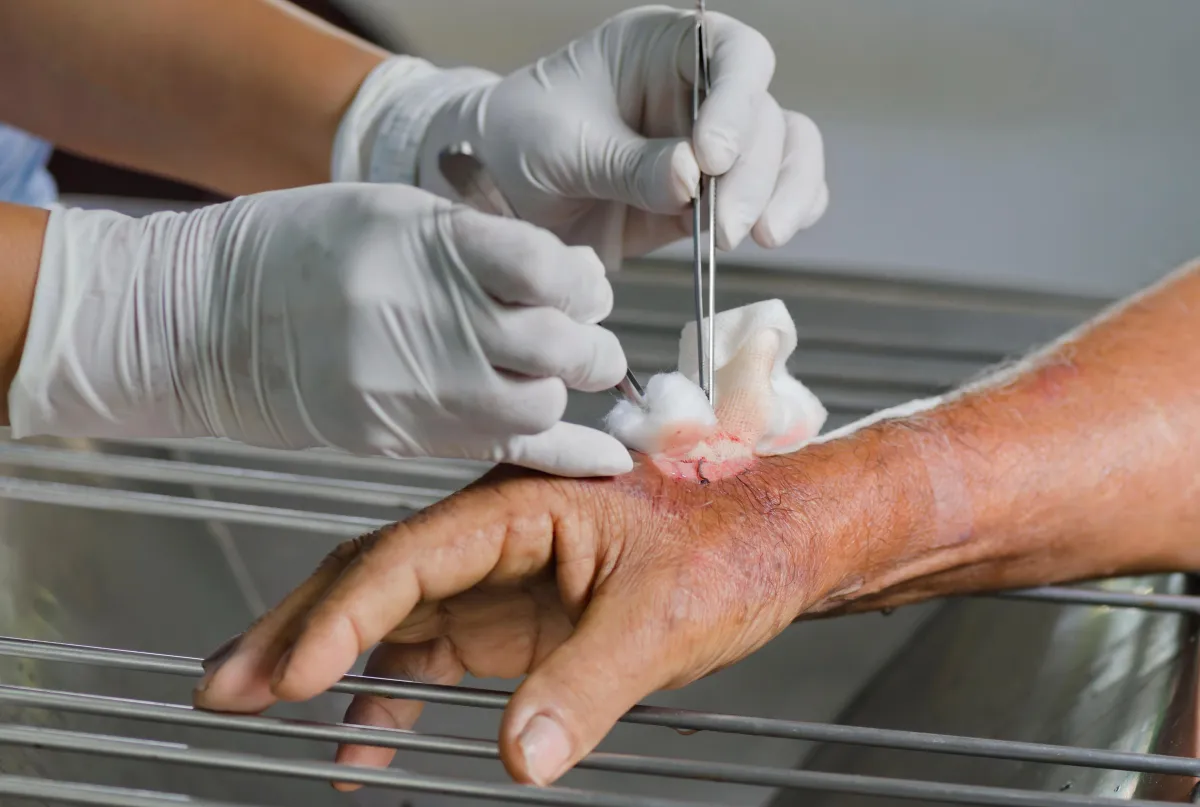
What Every Patient Must Know About Chronic Wound Healing
Discover proven strategies for managing chronic wounds that promote faster healing, reduce the risk of infection, and prevent long-term complications—so you or your loved one can return to comfort, mobility, and peace of mind.
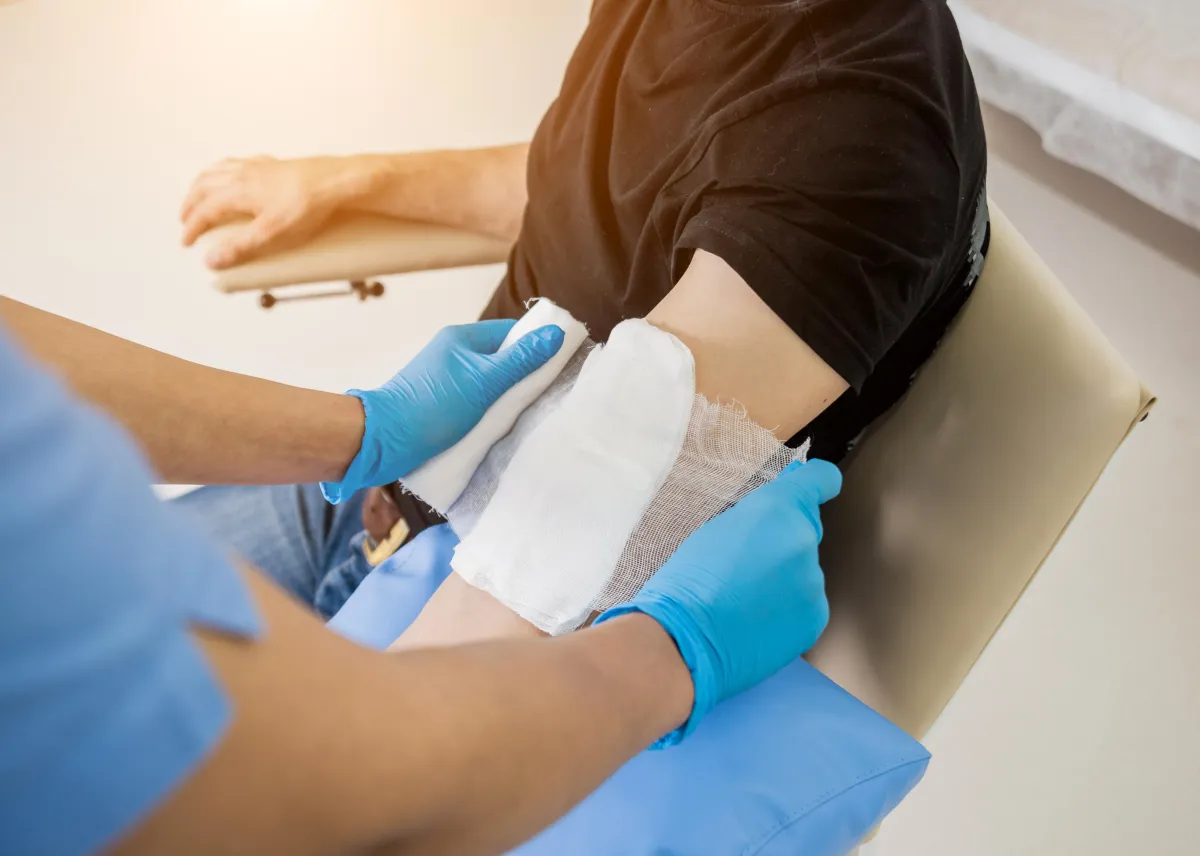
Wound Care Done Right: What to Stop Doing Immediately
Effective healing starts with avoiding the wrong habits. We reveal expert insights into what not to do—and what to do instead—to help wounds heal faster and cleaner.
WEST HILLS
7230 Medical Center Dr. Suite 100
West Hills, CA 91307
(818)–660–2977
BEVERLY HILLS
9735 Wilshare Blvd #210B
Beverly Hills, CA 90212
(818)–660–2977
Request an Appointment at a Royal Wound Care Facility near you.
Royal Wound Care is the expert in wound healing. Our board-certified wound care specialists are ready to help you begin your healing journey. Click the button below to request an appointment at a Wound Care Center near you—no referral needed
© 2025 Royal Wound Care, LLC. All rights reserved.
site by Growth Partners Marketing