How to Know If a Wound Is Infected and When to Seek Treatment
How to Know If a Wound Is Infected and When to Seek Treatment
Understanding how to know if a wound is infected is an essential first step in seeking appropriate, timely care. While healing is a natural process, it isn’t always easy to tell when something is going wrong. For example, some tenderness and redness are entirely normal in the early stages of recovery. However, they can also indicate an infected wound.
Because of this, it can become difficult for people to distinguish between healthy healing and a developing infection. And, oftentimes, symptoms can progress quickly if bacteria spreads into the tissue, potentially leading to delayed healing and complications. This is why understanding the warning signs is one of the most important factors of effective wound care.
Below, we discuss how to tell if a wound is infected—and when to seek treatment. We’ll explore the normal healing stages, key signs of infection, and steps you can take to reduce complications. Education is the first step to successful recovery.
At Royal Wound Care, we proudly help patients in the greater San Fernando Valley manage complex wounds and infections. For those outside our service area, we’re committed to providing educational resources, such as this guide, to support informed wound care decisions.
How to Know If a Wound Is Infected and When to Seek Treatment
It can be difficult to tell the difference between normal healing and a wound infection, especially for those with slow-healing or chronic wounds, or those recently recovering from a procedure. In many cases, the healing process follows a general timeline of gradual symptom improvement. Infection symptoms often do the opposite.
Rather than improving over time, wound infections may worsen, with more noticeable or severe symptoms that progress without appropriate treatment. That’s why monitoring signs such as redness, swelling, drainage, pain, and overall progression is essential. This is what helps identify a healthy wound site from an infected one.
The sooner you recognize a problem, the quicker you can receive appropriate medical attention—and the better your chances are of healing optimally.
What Is Normal Wound Healing?
Many people mistake normal wound healing inflammation for an infection. However the good news is that inflammation is a vital first step in healing! White blood cells (leukocytes) and other immune system defenses rush to the wound, removing damaged tissue and beginning repairs. This is a day-by-day process. However, over time, you’ll notice a reduction in redness, swelling, tenderness, itchiness, and warmth.
Wound infection symptoms, on the other hand, worsen over time. As an infection develops, symptoms can spread outward or even appear after the wound initially seemed to be improving. The key difference is progression.
If a wound is healing properly, symptoms improve and remain localized to the wound site. If you notice increased pain, worsening redness, amplified swelling, or any foul odors, it could be a sign that your body is fighting infections.
To learn more about this process, visit our patient-focused guide, “How Long Does It Take Wounds to Heal?” In this, we explore general recovery timelines, the factors that affect wound healing, and the stages you can expect to experience.
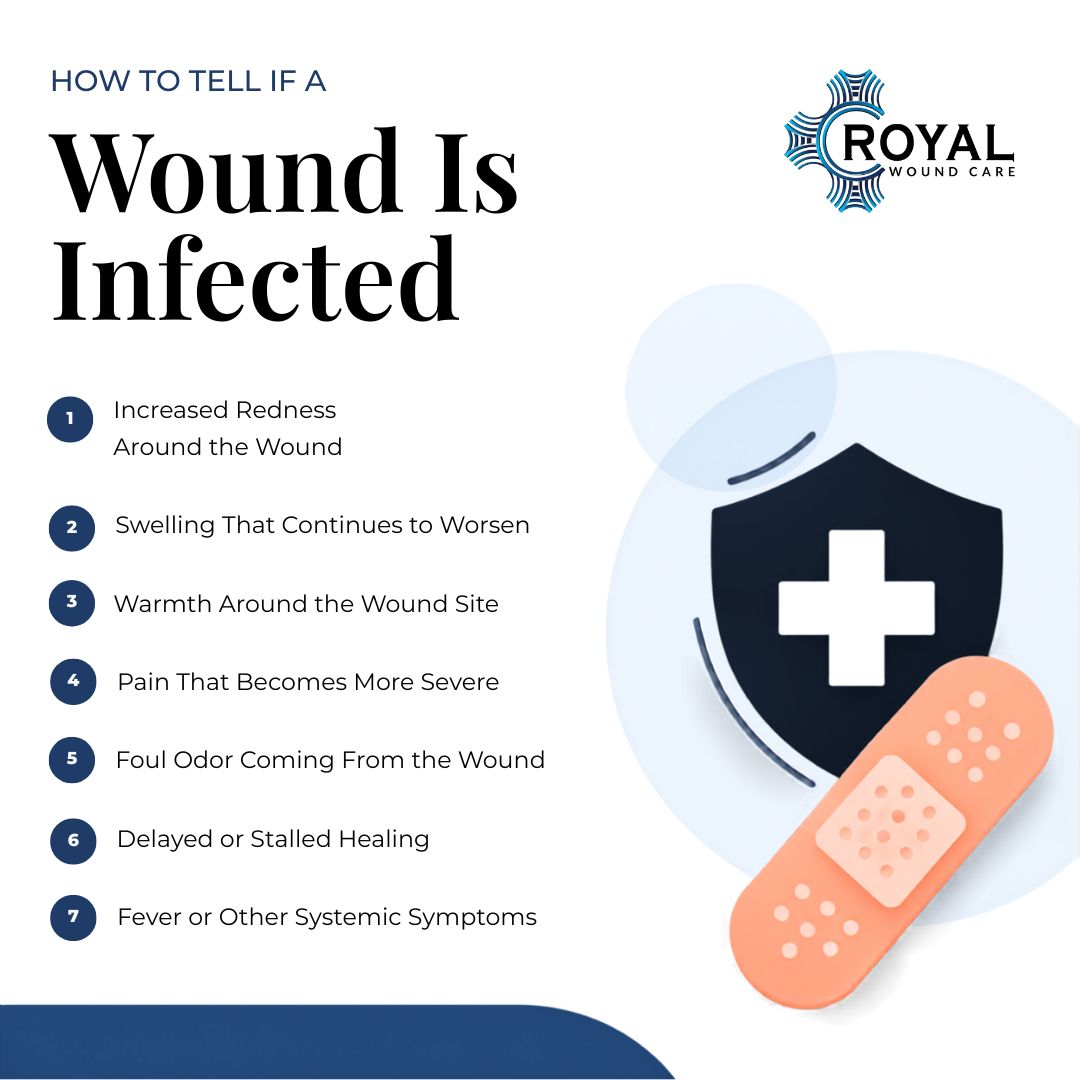
How to Tell If a Wound Is Infected
While one person may experience warmth around the wound site, another may notice a foul odor. The signs of wound infections can vary depending on the cause, the area of the wound, the severity of the injury, and the individual’s overall health. Below, we will cover the top symptoms you may be experiencing when fighting wound infections:
Increased Redness Around the Wound
As we mentioned above, a small amount of redness is common after an injury or surgical wound. However, one of the most recognizable signs of infection is redness that continues to spread outward rather than fading over time. This is known as vasodilation—a result of blood vessels dilating to increase blood flow and the delivery of oxygen and nutrients.
The affected area may appear larger each day, extend beyond the wound site, or develop a more intense color. However, if you notice red streaks extending beyond the wound site, it’s important to receive prompt medical attention. This can indicate that the infection has spread into the lymphatic vessels and is worsening.
Swelling That Continues to Worsen
Some level of swelling is expected during recovery. As we mentioned before, inflammation is a crucial part of the healing process. However, swelling that becomes progressively worse after the first few days warrants closer monitoring. This can be a key indication that bacteria has entered the wound and the body is actively fighting off an infection.
With swelling, look for accompanying signs like an increasingly tight, puffy, or painful sensation around the wound site. This is often a sign that pressure is building up in the tissue, restricting necessary oxygen-rich blood flow. In some cases, if swelling becomes severe, it can stretch and pull the skin, worsening an existing injury.
Warmth Around the Wound Site
Generally, healing tissues tend to feel slightly warmer as blood flow increases to support recovery. On the other hand, excessive warmth that continues to intensify or spreads can be a common sign of infection. Similar to swelling, warmth can result from increased blood flow.
Beyond this, it can also indicate that immune cells are releasing chemical signals, such as histamines, that cause blood vessel dilation. If the wound feels noticeably warmer than other areas of the skin, particularly when accompanied by redness and swelling, it may point to bacterial activity beneath the skin.
Pain That Becomes More Severe
It’s no surprise that as a wound heals, pain gradually subsides. However, this isn’t the case for infected wounds. While some level of discomfort is normal, increased pain several days after the injury is often cause for concern. During infections, white blood cells release inflammatory mediators (such as cytokines and histamine) that lower the threshold of pain receptors.
As a result, even a light touch can cause pain and sensitivity. Beyond this, increased blood flow can cause swelling, which puts physical pressure on the already irritated nerve endings. This is particularly important to monitor in patients with chronic wounds, diabetes, or compromised immune systems.
Related: How Can a Diabetic Wound Heal Faster? Steps for Safe Recovery
Foul Odor Coming From the Wound
As we discussed in our guide, “What Does a Healing Wound Smell Like?,” a mild, non-offensive smell is common in healing. This is often the result of sweat accumulation and the production of volatile organic compounds. However, this is significantly different from a strong or unpleasant odor.
While certain dressings can sometimes produce odors, a persistent foul smell may indicate bacterial growth or tissue breakdown. When a wound infection results from bacterial activity, symptoms such as discolored drainage or odor often accompany it.
Delayed or Stalled Healing
Healthy wounds generally show steady signs of improvement. Depending on the severity of the injury, this timeline can range anywhere from a few days to a few months. New tissue develops, drainage decreases, and the wound gradually becomes smaller.
If healing appears to stop entirely or the wound worsens after initial improvement, infection may be interfering. Due to repeated inflammation and bacterial colonization, chronic wounds are particularly vulnerable to stalled healing. It’s important to visit your wound care specialist promptly to address the root cause.
Unsure when the right time to visit a specialist is? We break it down in our guide, “When to See a Wound Care Specialist: Signs It’s Time to Get Expert Help.”
Fever or Other Systemic Symptoms
Infections do not always remain confined to the wound site. As bacteria spreads, the body may respond with fevers, fatigue, aches, or swollen lymph nodes. In short, these symptoms demonstrate that the body and immune system are working overtime to control the infection. However, they also point to a more serious situation.
If you begin to experience systemic symptoms, it’s a sign that the infection is no longer localized and is instead spreading throughout the body. Without prompt attention, these symptoms can quickly lead to severe and life-threatening complications, such as cellulitis or sepsis.
What Does Healthy Wound Healing Look Like?
Days 1–3: Initial Inflammation and Clot Formation
Immediately after an injury, the body focuses on stopping the bleeding and protecting the area from contamination. Platelets form a protective clot and scab, the area may become mildly puffy and swollen, and the site is generally tender or sore. This indicates that white blood cells are clearing bacteria and damaged tissue, which is a good sign! Additionally, these symptoms should remain localized and relatively stable.
Days 4–7: Early Tissue Repair Begins
By this stage, the wound transitions from the inflammatory phase to the proliferation phase. In other words, the immune system gradually rebuilds damaged tissue by developing new blood vessels, producing collagen, and forming healthy granulation tissue. The wound may appear slightly swollen and pink, but overall, symptoms should begin to improve rather than intensify.
Weeks 1–3: Active Tissue Regrowth and Wound Contraction
In weeks 1–3, the wound is still generally in the proliferation phase. However, around the second week, new skin cells begin to migrate across the wound surface, also known as re-epithelialization, to close the wound bed. The edges slowly contract, drainage decreases, and discomfort becomes less noticeable. Additionally, the wound begins to shrink, and patients often see visible progress.
Weeks 3–6: Continued Strengthening and Surface Closure
By this stage, wound granulation, a process in which the wound heals from bottom up, is complete. This is often when the new skin becomes stronger, redness looks less pronounced, and swelling subsides. In many cases, this is the phase in which patients report symptoms like itchiness—a normal result of the body’s repair process.
Months 1–3: Scar Formation and Remodeling
By the first few months post-injury, the skin begins to undergo scar remodeling—also known as maturation. This is a process in which the body continues to strengthen the fresh tissue, and collagen fibers reorganize to support durability. And in many cases reorganization results in tissues repaired to roughly 85% of its original state! The now-present scar may appear raised, pink, or firm before gradually flattening.
Months 3–12+: Long-Term Scar Maturation
Scar remodeling can continue for a year or longer, depending on the wound’s size, depth, and location. During this stage, the scar becomes softer and less noticeable than it once was. While every wound can heal differently, gradual improvement over time is a strong indication that the wound is healing properly.
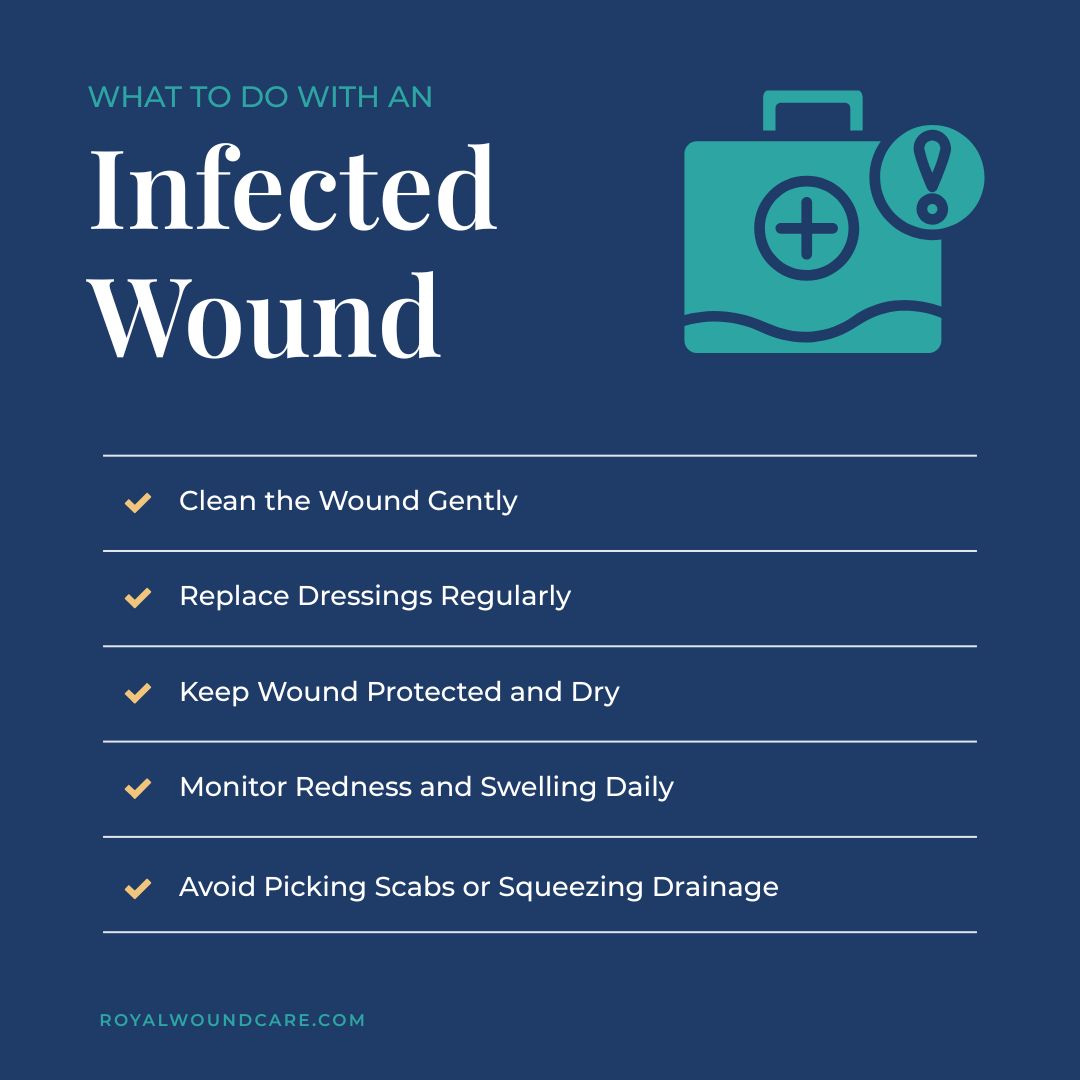
What to Do with an Infected Wound
Clean the Wound Gently
When you notice signs of a potential infection, first things first, begin by washing your hands and preparing your wound care supplies. Avoid harsh chemicals such as hydrogen peroxide or alcohol unless specifically directed by a healthcare provider. Contrary to previous research, antiseptics can reduce the viability of fibroblasts, ultimately hindering healing.
Instead, prioritize gentle antimicrobial agents, such as mild antibacterial soap and warm water, or saline solution. In addition to this, depending on the severity of your wound, your physician may prescribe you oral antibiotics. It’s important to follow your provider’s advice closely, as they understand your unique healing process best.
Moreover, if your injury is the result of an animal bite, human bite, rusty object, or severe burns, it’s important to visit your local emergency department instead. We discuss this concept further in our guide, “When to Go to Urgent Care vs. ER for Wound Care.”
Replace Dressings Regularly
Clean dressings are an essential factor in quick, optimal recovery. Not only do they protect the wound site from potential contaminants, but they also create an ideal environment for healing. Beyond this, if a dressing is left on the wound too long, it can trap bacteria, increase the risk of infection, and lead to maceration (skin breakdown).
You can learn more comprehensive information about this in our post, “Wound Dressing for Pressure Ulcers.” However, you generally want to aim to replace dressings when they become wet, dirty, or saturated with drainage.
Keep Wound Protected and Dry
Previous research used to suggest that wounds need fresh air to heal, or that you needed to “air a wound out.” However, modern studies have demonstrated otherwise. Wounds heal most effectively when they’re properly moisturized. Rather than simply keeping the area moist with water or saline solution, use moisture-balancing dressings to keep everything protected.
As we mentioned before, too much moisture can lead to tissue breakdown and skin damage. This is why it’s essential to follow your provider’s instructions. There’s a unique balance to keeping skin properly hydrated—the wrong technique can impair healing and delay recovery.
Related: Types of Foam Dressings and When to Use Each One
Monitor Redness and Swelling Daily
Take a few moments each day to inspect the wound site. Look for changes in size, color, drainage, odor, pain, or swelling. By tracking the signs of wound progression, you can identify problems before they become severe. If you have trouble tracking progression, you’re not alone! Many patients find it helpful to take daily pictures for comparison over time.
Beyond dressings and cleaning, however, nutrition and hydration are equally important. Both serve as building blocks for new tissue growth, energy demand, immunity, and repair. For a more in-depth explanation, we encourage you to read our post on foods good for wound healing.
Avoid Picking Scabs or Squeezing Drainage
Scabs serve as a natural protective barrier during healing. With this in mind, picking at them can reopen the wound, introduce new bacteria, and increase the risk of infection. Likewise, squeezing drainage can force bacteria deeper into the surrounding tissue. Allow the wound to heal naturally while following proper wound care recommendations.
With expert-level guidance, you can help prevent infections, address existing concerns early, and reduce the risk of more serious complications.
Wound infections can feel intimidating, complex, and overwhelming—especially if it’s not something you’ve experienced before. However, knowledge is power. When you understand what to look for and how to properly care for healing wounds, you can better support your body through the recovery process. Additionally, you become a more informed patient—and that can make all the difference in healing.
Royal Wound Care, one of the nation’s few board-certified wound care clinics, understands the complexities associated with infections. Proudly serving West Hills, Woodland Hills, Canoga Park, and Chatsworth, we aim to provide personalized, compassionate care to everyone we meet. Visit our office in West Hills or contact the Royal Wound Care team today. We’re not just your providers—we’re your advocates for better, safer healing.
Beyond patient care, we also offer partnership opportunities and advanced educational resources to support leaders within the wound care industry. Visit our website to learn how these prospects can lead to lower facility costs, fewer wound-related hospitalizations, and faster healing.
