What Does a Healing Wound Smell Like? Understanding Odors
What Does a Healing Wound Smell Like? Understanding Odors
The smell of a healing wound can be an important factor to consider during recovery. While most people assume an odor accompanies symptoms such as irritation, redness, and swelling, which often indicate an infection, this isn’t always the case. Wound odor can occur at different healing stages—even when recovery is going well.
Paying attention to scent changes over time gives you a clearer picture of healing health. A wound that’s healing properly often smells metallic, earthy, or slightly sweaty, whereas an infected wound typically has a more distinctive, foul odor. When you know how to spot the difference, you can better understand what’s happening beneath the skin.
In this guide, we will discuss what a healing wound smells like. We will also discuss why wounds produce an odor while healing, the difference between a healthy and an infected wound, and how you can heal injuries faster.
Royal Wound Care is one of the nation’s few board-certified wound care clinics—and we bring that expertise into patient education. Whether serving patients across the San Fernando Valley or helping those online better understand their symptoms, our goal is to provide clear, trusted guidance at every stage of healing.
What Does a Healing Wound Smell Like? Understanding Odors
When you notice a smell coming from a wound, your first instinct may be to feel uncertain or uneasy. However, don’t worry just yet! An odor doesn’t always mean that the wound is infected. In many cases, scent changes are a normal part of the wound healing process.
That said, understanding how these odors evolve can help you determine your next steps—whether that’s improving wound hygiene or seeking support. And with this patient-focused, educational guide, you’ll be better positioned to recognize what’s normal and identify early warning signs.
Related: How Long Does It Take for a Wound to Heal?
Is It Normal for a Healing Wound to Smell?
Yes, it is completely normal for a healing wound to produce a mild, non-offensive smell. However, the odor will vary depending on the type of wound, the stage at which you begin noticing it, and the care techniques.
More often than not, the scents result from dressings trapping moisture, tissue fluid accumulating, or the body’s natural immune response producing volatile organic compounds. In these cases, odors are faint and temporary and will slowly begin to fade with proper care.
If you begin to notice a strong, unpleasant smell, it’s important to seek medical attention. This, along with increased pain, swelling, or redness, can indicate an infection. The earlier you address any concerns, the more likely you are to reduce the risk of serious complications, such as chronic wounds, sepsis, or cellulitis.
Related: When to See a Wound Care Specialist
Why Do Wounds Smell When Healing?
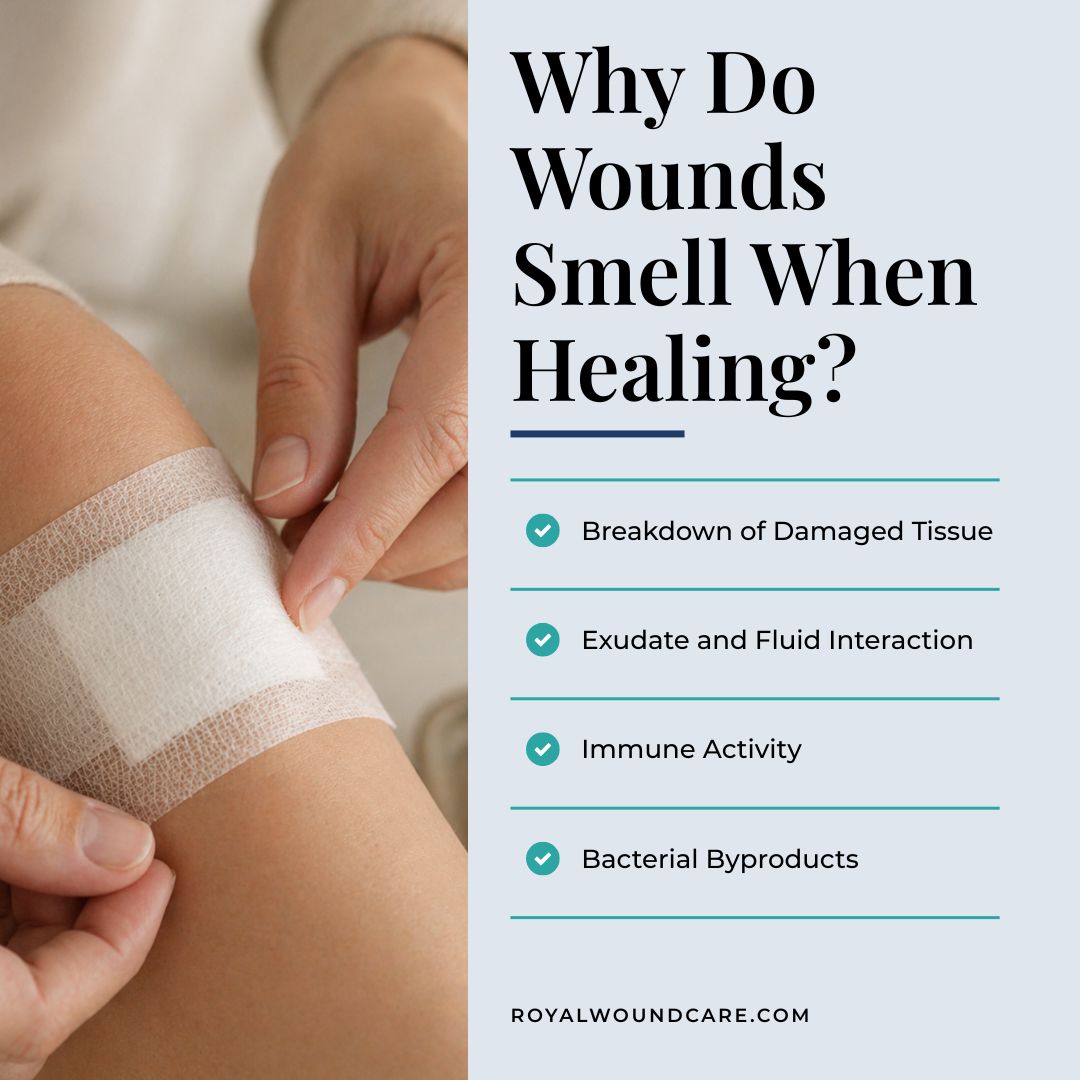
Breakdown of Damaged Tissue
As the body works to repair the wound bed, it naturally breaks down damaged and dead tissue. This is known as autolytic debridement—a process in which immune cells digest damaged cells. As neutrophils (white blood cells) digest bacteria and debris, macrophages release enzymes that promote the transition of the wound into the repair phase.
Autolytic debridement can lead to the release of volatile organic compounds (VOCs), even in properly healing wounds, which many describe as “musty” or “earthy.”
Exudate and Fluid Interaction
It’s extremely common for wounds to produce wound exudate during the healing process. Generally, the fluid consists of proteins, electrolytes, and cells that supply nutrients and maintain the wound bed's moisture. This process occurs during the initial inflammatory phase of healing, and gradually slows as the injury heals.
For most, wound exudate does not produce an odor on its own. However, when the fluid interacts with dressings or is trapped for extended periods, patients can notice a faint metallic or earthy scent. Regular dressing changes help reduce the likelihood of odors—and maintain an optimal healing environment.
Related: Types of Foam Dressings and When to Use Each One
Immune Activity
The body’s immune system, particularly neutrophils, macrophages, and T lymphocytes, plays a key role in healing wounds. They follow a structured process during the inflammatory phase, working together to clear bacteria, promote tissue regeneration, and regulate inflammation.
During the first few days of healing, you may notice a slight metallic odor as neutrophils create an oxidized environment. After the injury transitions from the inflammatory phase and to the proliferation phase, you should notice a reduction in scent. At any point during this process, the odor should remain faint, inoffensive, and infrequent.
Bacterial Byproducts
Even normal-healing wounds produce small amounts of bacteria. This doesn’t mean your injury is infected—especially irritation or foul odor. Instead, it indicates that your immune system is doing its job at fighting off harmful bacteria that can lead to infection. Nonetheless, the bacteria can produce small amounts of odor as they interact with the wound environment.
How Does a Wound Smell Like When Healing?
A healing wound can have a faint scent that many patients describe as musty, slightly sweet, mildly earthy, or metallic-like These odors should be subtle and should not linger after you have cleaned the wound.
If you are following proper wound care techniques—which we will discuss below—the mild scents are actually a good sign! It often indicates that the body is doing its job of properly healing the injury.
Related: Royal Wound Care at Home: A Nurse’s Step-by-Step Checklist
What Does An Infected Wound Smell Like When Healing?
An infected wound has a distinctive smell that is entirely different from that of a healing wound. Rather than a mild scent, infected wounds often produce foul, rotten, fishy, or ammonia-like odors. Additionally, the scent will linger regardless of how often or how well you clean the area.
There are various reasons you may smell unpleasant odors during wound healing, including:
Bacterial Overgrowth. When bacteria multiply beyond normal levels, especially anaerobic bacteria, they begin to break down tissue and produce waste products. This process can lead to a strong foul odor, often accompanied by increased drainage or discoloration.
Dead Tissue. If the wound isn’t receiving proper blood flow, it can lead to necrotic (dead) tissue. The wound will often begin to appear brown, grey, or black, and produce a strong, sulfur-like smell.
Excess Exudate: Wounds that produce a high amount of fluid generally require more frequent dressing changes. If not managed properly, the environment can encourage bacterial growth that leads to foul smells.
Poor Oxygenation. When a wound lacks adequate oxygen, often due to poor circulation or underlying conditions such as diabetes, it creates an environment for bacteria to thrive. As a result, this can increase the likelihood of infection and, naturally, foul odors.
In addition to foul or unpleasant odors, an infected wound can present with pain, swelling, warmth, and redness. It’s important to seek medical attention as soon as possible, as prompt treatment can help with reducing the risk of long-term complications.
How to Heal Wounds Faster
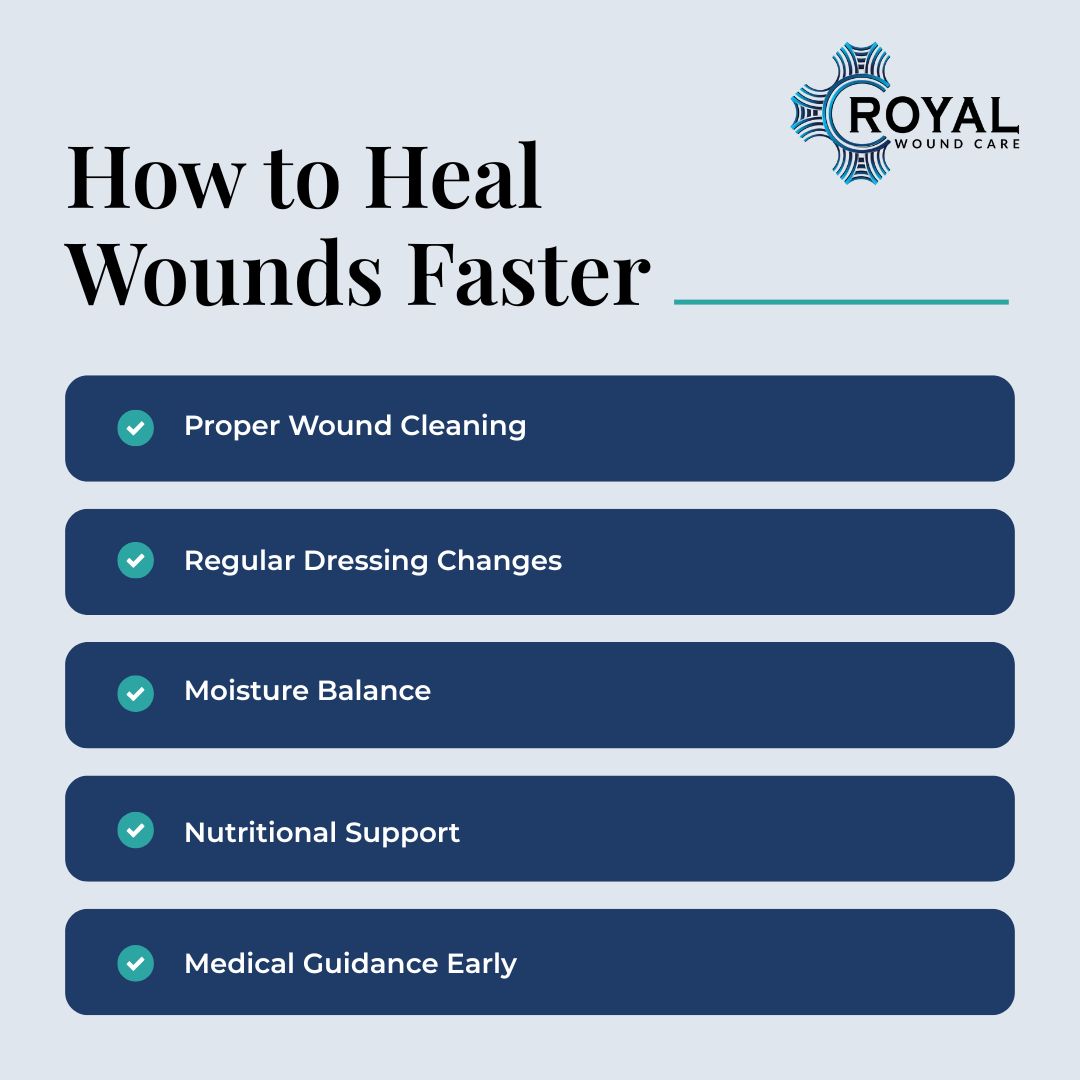
Proper Wound Cleaning
Gently clean the wound with saline solution or a mild, antimicrobial cleanser approved by your physician. It’s important to use the proper cleansing agents, as this step accelerates healing and prevents infection by reducing bacteria and removing debris.
Additionally, ensure you avoid harsh antiseptics, such as hydrogen peroxide and alcohol, unless directed otherwise. High-concentration astringents can dry out the wound bed, reducing fibroblast viability and negatively impacting the healing process. Finally, when you’re done cleaning, gently pat the wound dry—avoid rubbing or dragging to prevent reinjury.
Related: Skin Prep for Wound Care
Regular Dressing Changes
For wounds that require dressings, keeping up with regular changes is essential for healing. Complex wounds, such as diabetic foot ulcers or more severe burns, produce high amounts of wound exudate.
Exposure to excessive moisture for extended periods can lead to maceration, which may increase the risk of complications. That said, frequent dressing changes can prevent moisture traps and odor buildup.
Related: How to Wrap a Wound
Moisture Balance
In previous years, it wasn’t uncommon for doctors to recommend “airing wounds out.” Many assumed that air exposure would help dry out the wound and accelerate healing. However, thanks to modern research, we now know that wounds heal more efficiently in a properly balanced, moist environment.
You want to make sure the wound bed is moist—not wet—with the help of tools such as moisture-retentive dressings and barrier ointments. This is an essential step in reducing pain, minimizing scarring, and lowering the risk of infection.
Nutritional Support
As discussed in our post, “Nutrition and Wound Healing,” recovery begins from within. Consuming enough protein, antioxidants, amino acids, and vitamins helps the body to rebuild tissue and support immune function.
More specifically, omega-3 fatty acids help reduce inflammation, vitamin C promotes collagen formation, and zinc can enhance cell proliferation. With an intentional, mindful approach to nutrition, you can support faster, more efficient healing—from the inside out.
Medical Guidance Early
Wound care specialists, such as those at Royal Wound Care, aren’t just there for patients when wounds worsen. We are here for every stage of healing—from diagnosis to recovery. If you’re concerned about the healing process or simply want expert guidance, reach out to the Royal Wound Care Team.
Our team has committed to creating a better experience in which patients receive focused, attentive, and comprehensive care. And we do so with board-certified providers, advanced modalities, and personalized treatment plans.
Additionally, for those in West Hills, Woodland Hills, Canoga Park, Calabasas, or Chatsworth, we encourage you to schedule an appointment at our office. We can examine, diagnose, and develop a plan tailored to your unique needs.
Related: Why Do Healing Wounds Itch?
Understanding what a healing wound smells like gives you the confidence to take action early when something doesn’t seem right.
Navigating wound healing, especially when dealing with complex injuries, can feel intimidating—especially if it’s accompanied by odor. However, understanding what a healing wound smells like adds an extra layer of awareness during recovery. By prioritizing proper care, maintaining good hygiene, and knowing when to seek medical attention, you can support safe wound healing and reduce the risk of complications.
Royal Wound Care is proud to serve the San Fernando Valley community with a compassionate, expert approach. From your first visit through recovery, we’re here to guide you with attentive, comprehensive care.
In addition to quality care, we also offer educational resources and partnership opportunities for SNFs and independent nurses. Together, we can improve wound care by reducing infection risk, improving healing outcomes, and lowering wound-related hospitalizations.
