How to Stop a Wound From Weeping Clear Liquid
How to Stop a Wound From Weeping Clear Liquid
Seeing clear liquid weeping from a wound can be concerning, yet it’s often a completely normal step in the recovery process. Known as “serous drainage,” this fluid helps create the moist environment your body needs to repair damaged tissue. And in small amounts, it’s generally a sign that your body is on the right track to recovery.
At Royal Wound Care, one the nation’s few board-certified wound care clinics, we evaluate and treat wounds at our West Hills Clinic and through bedside visits across the San Fernando Valley. In our clinical experience, the drainage itself is only part of the picture. It’s equally important to consider how much fluid a wound produces and whether its color, consistency, or appearance changes over time.
To help you better understand the process, this guide is dedicated to discussing what it means when a wound is weeping clear liquid. We’ll cover why it happens, practical ways to manage it, and signs it’s time to have the wound evaluated by a Wound Care Specialist.

How to Stop a Wound From Weeping Clear Liquid: Where to Begin
Learning how to stop a wound from weeping clear liquid starts with understanding that the right approach depends on the wound itself. Wound type, cause, location, and the current stage of wound healing all shape what will help most. A shallow scrape and a surgical wound behave differently, and a diabetic foot ulcer follows a different course than a fresh laceration.
In practical terms, managing clear drainage while supporting recovery usually comes down to a handful of steps. This includes keeping the wound area clean, choosing the right absorbent dressing, changing dressings on an appropriate schedule, protecting the surrounding skin, and reducing pressure. We’ll walk through each method below. First, however, it helps to understand what this fluid actually is and why it appears.
What Is the Clear Liquid That Comes Out of Wounds?
The clear or very pale yellow liquid that comes out of a wound is typically serous drainage, a thin, watery type of wound exudate. Wound exudate is the fluid released into the wound as part of the body’s response to tissue damage; it’s a very normal and expected part of recovery.
In small amounts, serous drainage helps maintain the moist wound environment needed for cells involved in tissue repair to move across the wound bed. It also helps support the delivery of nutrients and immune components to the area, like amino acids, electrolytes, and oxygen.
You may notice serous drainage during the inflammatory stage of healing, particularly in the first several days after an injury. However, the amount and appearance matter. Drainage that becomes excessive, cloudy, thick, bloody, foul-smelling, or otherwise changes from what you were seeing before should be discussed with your healthcare provider.
Related: What Are the 4 Types of Wound Drainage?
How Long Should a Wound Ooze Clear Liquid?
How long a wound should ooze clear liquid varies with the wound and the person. Most drainage is heaviest early in recovery and then tapers as tissue rebuilds. That said, for many, wound drainage generally lasts for 48 to 72 hours in the early stages of healing.
Several factors influence how long drainage continues. A larger or deeper wound, a surgical wound, poor circulation, diabetes, swelling, and nutrition can all extend the timeline. The key pattern to watch is direction: healthy drainage lessens over time.
Although it's normal for serous exudate to make a bandage damp or even wet, this should decrease over time. If the amount of drainage remains consistent or even increases after the first several days, it may deserve attention from a Wound Care Specialist
Related: How Long Does a Wound Take to Heal?
Is Clear Liquid From a Wound Normal?
Clear liquid from a wound is usually normal, especially in the first days after an injury or procedure. In small amounts, it’s one of the more reassuring things you can see.
If you notice your wound draining excessively, or the fluid draining is thick, turns cloudy, develops a foul odor, or is paired by redness, swelling, or warmth, it may indicate the presence of a bacterial infection. Similarly, if you notice that your wound is weeping enough to soak through dressings, it’s equally important to contact your healthcare provider.
If you’re unsure what may indicate a sign of infection, we encourage you to read our patient-friendly guide: “What Does a Healing Wound Smell Like?”

What Does Clear Liquid Coming From a Wound Mean?
Clear liquid coming from a wound most often means the body is in the natural inflammatory phase of recovery. The color and consistency of what a wound releases, however, can tell you a surprising amount about where your wound is in the healing process.
According to the National Library of Medicine, there are four types of wound drainage that providers look for and document.Here is what each type of drainage generally indicates:
Serous Drainage: A clear, thin, watery plasma that often occurs during the inflammatory stages of wound healing. You’ll often notice in smaller amounts and it should slowly decrease over a few days.
Sanguineous Drainage: Often bright, fresh blood from a wound that occurs when blood vessels are damaged. This is the most common type of wound drainage, as patients commonly experience it after surgery or a fresh injury.
Serosanguineous Drainage: A watery pink or light red fluid that contains clear plasma and a smaller number of red blood cells. This type of drainage is most common in the first few days of healing and in chronic wounds when stuck in a prolonged inflammatory state.
Purulent Drainage: A thick, pus-like fluid that contains a high concentration of white blood cells and bacteria. Often accompanied by a strong odor and yellow, green, or brown fluid, purulent fluid is often a sign that the body is fighting some form of infection.
Whenever drainage occurs after an injury, it’s normal to feel uneasy. However, in most cases, it’s simply a reaction to the body’s natural healing process. For those with questions or concerns, we encourage you to contact the Royal Wound Care team to set up an appointment.
What Causes a Wound to Drain?
Wounds can release fluids as part of the body’s natural response to tissue damage. During healing, fluid moves into the wound area to maintain a moist environment and provide conditions that allow new tissue to develop. Ultimately, as the Cleveland Clinic notes, a small amount of clear or pale yellow drainage is simply a normal response from the immune system. There are several reasons why this may happen, including:
The Inflammatory Phase of Healing: Early in the healing process, blood vessels become more permeable, allowing fluid and immune cells to reach the injured tissue. This can result in a small amount of clear serous drainage.
Surgery: Some drainage from a surgical incision may occur as the body responds to tissue injury and begins repairing the area. The expected amount and duration can vary depending on the procedure, so it’s important to follow your surgeon’s personalized wound care instructions.
Swelling or Fluid Buildup: Increased fluid in the surrounding tissues can contribute to a more significant amount of wound drainage, particularly when swelling is present.
Infection: A wound infection typically causes drainage, but the type and amount differ. Rather than expected clear serous fluid, it may become thicker, cloudier, more yellow or green, or develop an odor.
Underlying Health Conditions: Conditions that can contribute to swelling or impaired circulation, such as venous disease or diabetes, can cause wounds to produce more drainage or continue draining for longer periods.
The important thing isn’t simply whether a wound is draining; it’s what the drainage looks like, how much there is, and whether it’s changing over time. If drainage suddenly increases or changes in color, consistency, or odor, have the wound evaluated by your healthcare professional.
Related: When to Go to Urgent Care vs. ER for Wound Care

How to Stop Clear Fluid From Wound
Knowing how to stop clear fluid from wound drainage comes down to managing the fluid well while you let healing progress. There’s no single trick that applies to every wound, and the best approach depends on the wound type, cause, location, and your overall health.
The methods below are the practical, everyday steps that can help maintain recovery as your wound heals. Most importantly, each tip supports the healing process rather than forces it.
Keep the Wound Clean
A clean wound is the foundation of good drainage control. Start with clean hands and, depending on the wound, a pair of gloves. Then, gently cleanse the wound to remove debris and lower the bacterial load that may hinder healing. To do this, it’s best to use antimicrobial agents, such as mild antibacterial soap and warm water or saline solution.
Unless specifically directed otherwise by your healthcare provider, avoid using harsh antiseptics such as hydrogen peroxide or alcohol. In many cases, these formulas can dry out the wound bed and reduce the viability of fibroblasts.
Use an Absorbent Wound Dressing
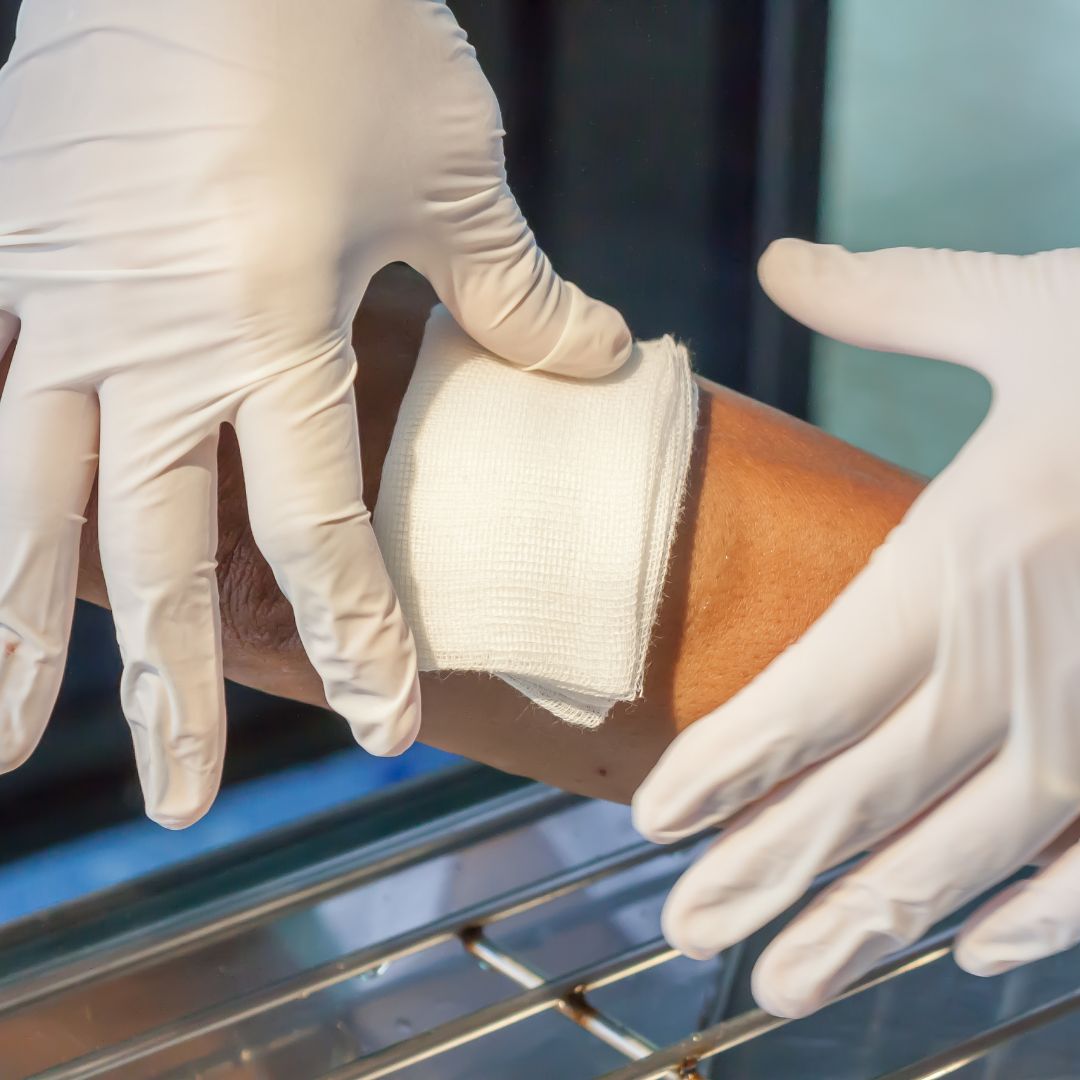
The right absorbent dressing captures excess fluid so it doesn’t pool on the skin or soak through the material. Dressings are designed to hold moisture at a healthy level, keeping the wound moist enough to heal without becoming macerated.
We’re sure you’ve been told, at some point, to allow your wound to “air out” to promote healing. However, according to recent research, a moist environment can actually help wounds heal significantly quicker. Fortunately, maintaining a moist wound environment is one of the many roles dressings play in recovering wounds.
Related: Types of Foam Dressings and When to Use Each One
Change Dressings as Needed
Changing dressings on the right schedule keeps the wound area clean and lets you monitor how drainage is trending. A damp dressing is expected early on, but you should notice the amount slowly decline over the course of a few days.
If serous drainage begins to increase, change color, or change in consistency, it’s important to contact your healthcare provider. This may be a sign that bacteria is present within the wound bed, and addressing it early is the best way to prioritize healing.
Note: If a dressing sticks, do not pull it free. Instead, see our guide on how to remove gauze stuck to wounds.
Protect the Skin Around the Wound
Protecting the skin surrounding a wound is just as important as caring for the wound itself. When taking appropriate care of the surrounding skin, it helps stop bacteria from entering the wound bed and encourages faster healing.
This becomes particularly important for drainage wounds, as moisture left on the skin for too long can lead to skin maceration. As the skin turns soft and soggy, the tissue can slowly break down, leading to further irritation and potentially a higher bacterial load. To prevent this, change the dressing on a consistent schedule and make sure to replace bandages if the area has been submerged in water, like during a shower or bath.
Reduce Pressure on the Wound
Pressure works against healing and can push more fluid from a wound. This is often why wound care specialists and healthcare providers encourage offloading when patients are managing pressure ulcers and diabetic foot ulcers.
Repositioning, cushioning, and specialized support surfaces relieve the load on vulnerable areas. Reducing pressure also gives tissue the chance to rebuild and helps drainage settle into a healthy, decreasing pattern.
Elevate the Affected Area When Appropriate
Elevating the affected area, when your provider agrees it’s appropriate, helps reduce swelling that drives fluid out of a wound. More specifically, raising a draining limb above heart level for periods during the day can ease the buildup that feeds drainage. This is especially relevant for lower-leg wounds tied to venous disease, though it should always fit your individual treatment plan.
See a Wound Care Specialist for Persistent Drainage
Some wound drainage is expected during healing. But drainage that persists, increases, or changes may be a sign that the wound needs professional evaluation. Contact your healthcare provider if you notice drainage becoming thick, cloudy, or foul-smelling, or if it occurs alongside increasing redness, swelling, and pain.
A wound that continues to drain without improvement, becomes larger, or isn’t progressing as expected may also benefit from specialized wound care. Rather than focusing on drainage alone, a wound care specialist can evaluate the wound as a whole and determine whether factors such as infection, swelling, circulation, or damaged tissue may be hindering healing.
At Royal Wound Care, Dr. Moaddel develops treatment plans based on the needs of each wound, with options that may include debridement, negative pressure wound therapy, skin substitutes, and infection management. Caring for patients throughout West Hills, Woodland Hills, Canoga Park, Calabasas, Chatsworth, and the greater San Fernando Valley, schedule an appointment or reach out to our team to learn more.
Visit Royal Wound Care for questions or concerns regarding wound drainage.
Clear liquid weeping from a wound is usually a normal, encouraging sign of healing, and small amounts of serous fluid help the body clean and rebuild the wound area. And the steps to manage it remain consistent: clean the area, use appropriate dressings, and protect the surrounding skin. Most importantly, don’t hesitate to reach out for professional guidance if you’re ever uncertain.
When a wound needs more than home care, Royal Wound Care brings board-certified, physician-led wound care to patients across the greater San Fernando Valley. Beyond clinic and bedside patient care, our practice also offers professional partnership opportunities for skilled nursing facilities and home health teams, along with advanced educational opportunities for nurses. The future of compassionate care starts here.
This article is educational and is not a substitute for medical evaluation, so please work with your own healthcare professional about any specific wound.
Warmly,
Dr. Moaddel, Royal Wound Care
