
Nursing Home Wound Care Management: Partnering with Royal Wound Care
From Diagnosis to Recovery—We’re With You Every Step of the Way
At every stage of the healing process—from initial diagnosis to full recovery—our dedicated wound care team delivers expert, compassionate support tailored to the needs of skilled nursing facility (SNF) residents. We specialize in providing a seamless, patient-centered continuum of care that ensures consistent, high-quality treatment throughout each resident’s journey to healing.
Our Skilled Nursing services include:
Skilled Observation and Assessment
Regular monitoring and evaluation of your health to ensure proper care and early detection of changes.
Diabetic Management
Expert guidance in managing diabetes, including blood sugar monitoring and insulin management.
Wound Care
Specialized care for wound healing, including dressing changes and infection prevention.
Medication Supervision
Assistance in managing medications and ensuring proper dosages and schedules.
Intravenous Therapy
Administering IV treatments such as hydration and antibiotics safely at home.
Total Parenteral Nutrition (TPN)
Providing nutritional support for patients unable to eat or absorb food normally.
Pain Management
Developing personalized pain control strategies to enhance comfort and quality of life.
Respiratory Treatment
Managing and supporting respiratory conditions with appropriate therapies.Incontinence Care
Helping with personal care and providing strategies for managing incontinence.
Catheter and Ostomy Care
Expert care for catheter and ostomy patients to ensure comfort and proper function.
Patient and Family Health Education
Offering training and guidance to ensure patients and families are equipped to manage ongoing care needs.
For questions regarding our skilled nursing facilities, please contact 818–660–2977
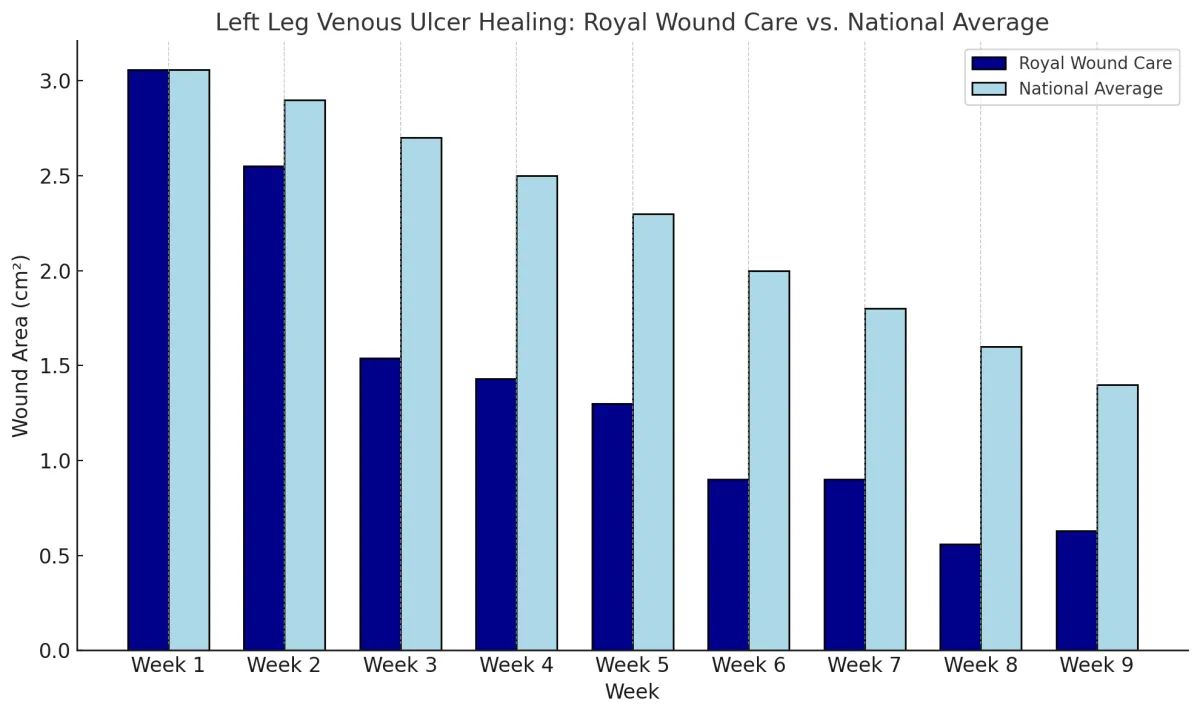
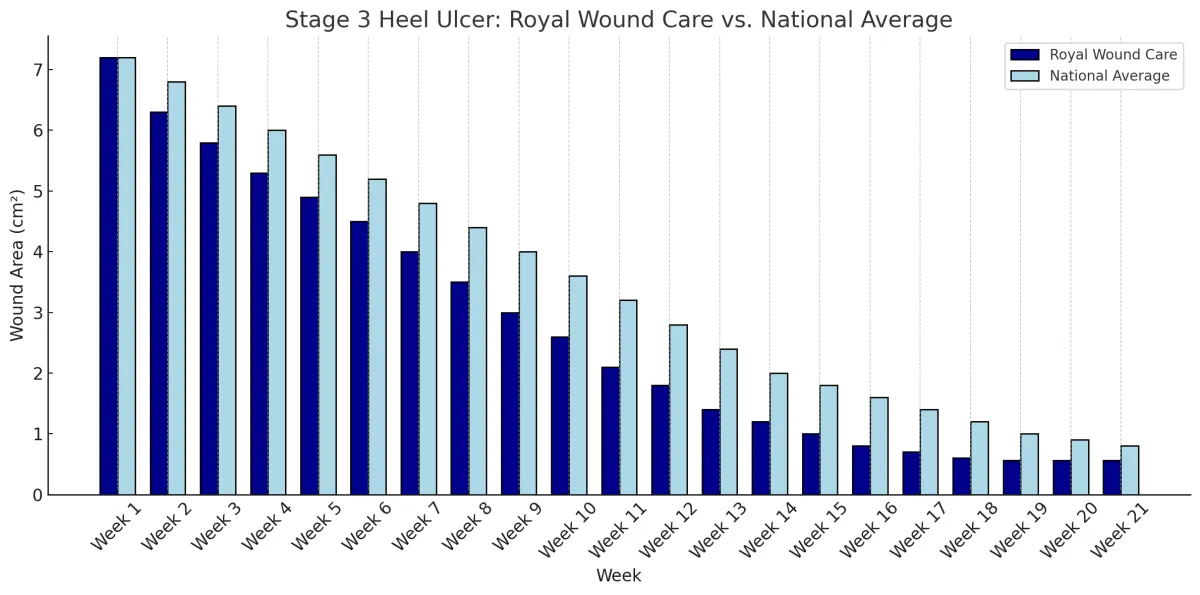
Clinical Excellence,Faster Healing, Better Outcomes: How Royal Wound Care Outperforms National Benchmarks
At Royal Wound Care, we deliver results that consistently outperform the national average. Our advanced healing process combines evidence-based treatments, personalized care plans, and direct physician oversight to ensure optimal outcomes. Unlike many clinics, every patient is managed by a board-certified wound care physician who evaluates their condition and customizes treatment from day one.
Our venous ulcer graph highlights our success in treating one of the most challenging chronic wounds. Venous ulcers are often slow to heal and prone to recurrence, but at Royal Wound Care, we address not only the wound itself but also its underlying causes. Through vascular assessments, compression therapy, advanced grafts, and customized treatment protocols, our patients consistently heal faster than those receiving standard care elsewhere. This comprehensive, physician-led approach results in better long-term outcomes and fewer hospitalizations.
Our Stage 3 heel ulcer graph demonstrates how our approach leads to significantly faster healing compared to the national average. While traditional care results in gradual wound size reduction over several months, patients treated at Royal Wound Care experience more rapid progress through targeted therapies, aggressive infection control, and ongoing physician-directed adjustments to their care plan. Our proactive methods allow us to close even complex wounds weeks earlier than national trends, improving patient mobility, reducing pain, and preventing further complications.
For more expert tips, insights, and updates on wound care, check out our blog.
Nutrition and Wound Healing: What to Eat for Faster Wound Healing
Wound Healing and Nutrition: What to Eat for Faster Wound Healing
From minor scrapes or surgical incisions, our bodies rely on a series of coordinated steps to repair tissue, prevent infection, and support healing. However, many factors contribute to how quickly and effectively your body is able to recover.
At Royal Wound Care, we recognize that the wound healing process doesn’t stop after a patient leaves our office. Nutrition plays a crucial role in the recovery process, making what you eat during this time important. The right foods provide the necessary vitamins, minerals, and protein necessary for optimal rehabilitation.
Nonetheless, nutrition is an often overlooked aspect of wound healing. Therefore, this guide explores the relationship between nutrition and wound healing. More specifically, we will explore which foods promote healing and which foods patients should avoid.

Wound Healing and Nutrition: What to Eat for Faster Wound Healing
When receiving treatment from a wound care specialist, many patients expect dressings, antibiotics, and, in some cases, surgical intervention. However, nutrition plays a critical role in wound healing as well. Recovery should address the entire person—not just what’s happening on the outside.
Ultimately, the body works hard to heal wounds—it’s generally a complex, energy-consuming process. Additionally, each stage of the wound healing journey relies on different nutrients for recovery. With the right nutritional support, patients can experience advanced healing, infection prevention, and reduced complications.
Related: How Long Does It Take for a Wound to Heal?

How Does Nutrition Affect Wound Healing?
Supports Tissue Repair and Regeneration
A healthy diet serves as the building blocks for cellular regeneration and tissue repair. When consuming the right nutrients, you’re giving your body the protein, vitamins, and minerals it needs to repair damaged cells while also creating new ones.
More specifically, amino acids are essential for wound recovery. These compounds help drive the healing process by supplying oxygen, supporting both blood flow and nutrient delivery to the wound bed.
Reduces Inflammation and Prevents Complications
Specific nutrients, such as omega-3 fatty acids, play a direct role in reducing inflammation. To elaborate, they regulate the immune response and reduce the overall production of inflammatory molecules.
Not only is this balance necessary for optimal recovery, but excessive inflammation can delay wound healing and lead to complications. For example, a minor abrasion, without the proper care, can develop into a chronic wound, requiring additional attention and more advanced medical interventions.
Related: Managing Chronic Wounds: A Comprehensive Guide
Strengthens the Immune System
Ultimately, a strong immune system is the foundation upon which wounds heal effectively, quickly, and with fewer complications. To put it lightly, it serves as the body’s first line of defense against external factors—ones that result in prolonged healing.
Vitamins A, C, E, zinc, and protein all contribute to a stronger, more resilient immune system. Moreover, they increase antibodies, protect against cell damage, and fight oxidative stress. Improper nutrition can quickly compromise a patient’s healing journey.
Promotes Collagen Formation
Anytime you have a wound, whether it’s a simple scratch or a more complex venous ulcer, collagen formation is a key process in recovery. It acts as the scaffold of the wound, quietly providing strength and structure to help the body heal.
The proper nutrients help this process even more, as they support tissue regeneration, stabilization of collagen’s new structure, and repair. This is where patients will find that their open, aggravated wound slowly begins to heal and close.
Helps Maintain Hydration and Circulation
Proper hydration is another critical component of efficient healing. And, most patients will be surprised to learn that they don’t just need a glass of water to meet their goal. Nutrition plays a key role in this, too!
Hydration promotes blood circulation while simultaneously delivering oxygen and removing waste products. The less hydrated you are, the thicker the blood becomes. This can result in poor circulation, preventing necessary nutrients from reaching the injury.
Related: Edema and Diabetes and Slow Healing Wounds: Understanding Care
What Foods Promote Wound Healing?
While it’s important to know which foods promote healing, it’s also beneficial to understand why. Here are the roles specific nutrients play in a patient’s road to recovery:
Lean Proteins (Chicken, Turkey, Fish, Eggs)
When planning your diet, sources of protein are essential for tissue repair, immune function, and collagen formation. In fact, protein deficiency in wound healing can compromise collagen synthesis, leading to improper healing and a weaker tissue structure.
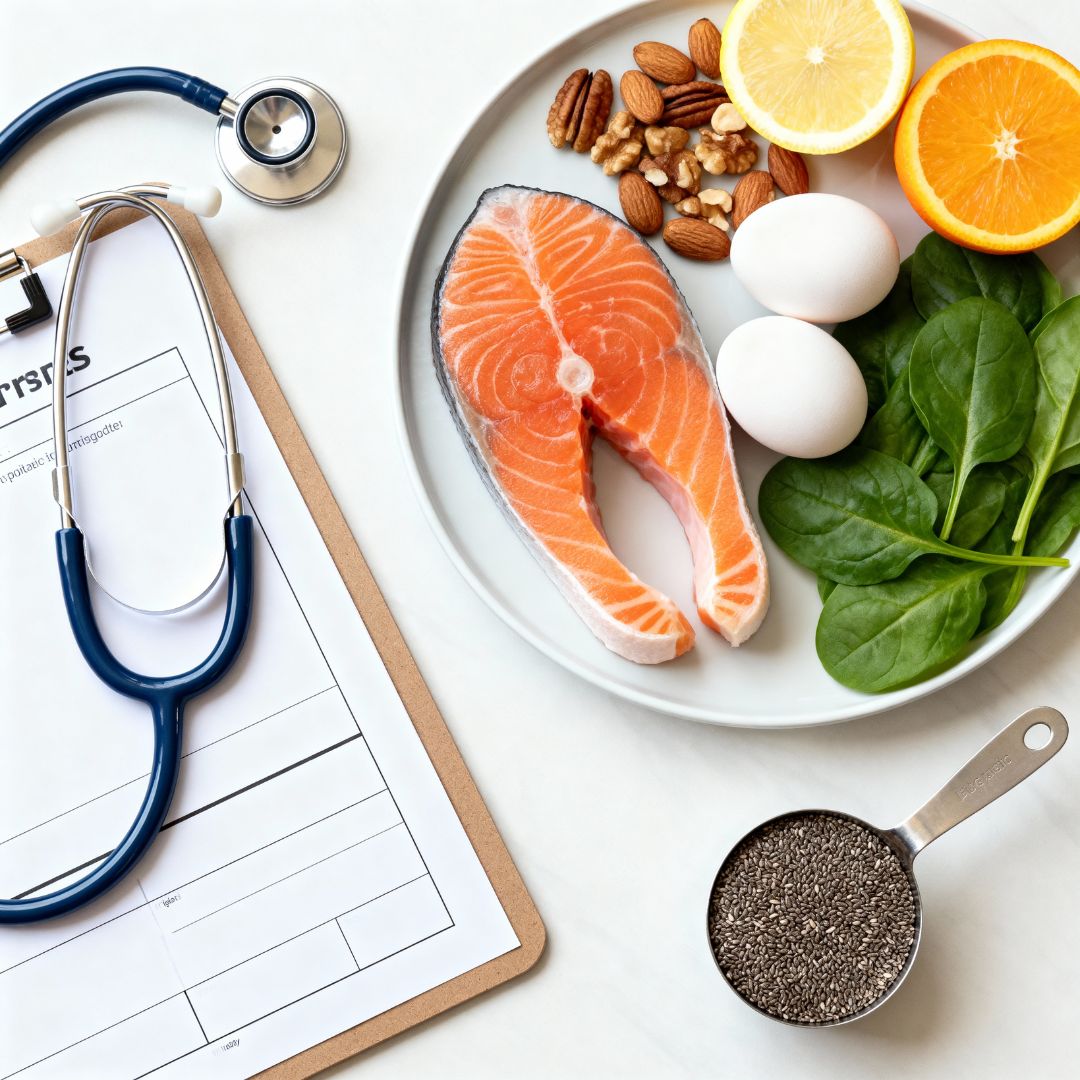
To avoid this, ensure you’re consuming a sufficient amount of protein tailored to your unique health condition and circumstances. Some examples of protein include: Chicken, turkey, fish, eggs, and ground beef.
Citrus Fruits (Oranges, Grapefruit, Lemons)
While all vitamins and minerals play a role in wound healing, vitamin C is particularly crucial for the formation of collagen, blood vessel growth (angiogenesis), and connective tissue. Essentially, it provides the framework that wounds require when creating new tissue.
Additionally, vitamin C can simultaneously help strengthen the immune system and fight infections. To up your intake, incorporate citrus fruits into your diet. More specifically, oranges, grapefruit, lemons, limes, and pomelos are all rich in antioxidants.
Leafy Greens (Spinach, Kale, Swiss Chard)
In addition to vitamin C, vitamins K and A also support recovery—both of which are found in leafy greens. To break it down further, vitamin K assists in blood clotting, a necessary first step in the healing process. In comparison, vitamin A stimulates epidermal turnover and helps the body fight off infections.
Moreover, leafy greens are rich in magnesium, iron, calcium, and antioxidants. Together, they enhance the body’s ability to supply anti-inflammatory cells to wound sites and provide the necessary energy for healing. Spinach, kale, collard greens, Swiss chard, bok choy, and arugula are all excellent sources that patients can incorporate into their daily diet.
Nuts and Seeds (Almonds, Walnuts, Chia Seeds)
Both nuts and seeds are incredibly rich in healthy fats, vitamins, copper, and minerals—such as zinc and omega-3s. As patients incorporate these nutrients into their diet, they’re actively aiding in reducing inflammation and boosting immune system function.
Additionally, for patients participating in a plant-based diet, nuts and seeds are an excellent source of protein. Apart from the benefits mentioned, zinc is crucial for cell proliferation. On the other hand, copper plays a crucial role in protein synthesis, facilitating tissue regeneration.
Almonds, walnuts, chia seeds, cashews, and flaxseeds are all easy to incorporate and produce incredible results for wound recovery.
Whole Grains (Oats, Brown Rice, Quinoa)
As we mentioned earlier, wound healing is an energy-demanding journey. Patients can help their bodies through the process by incorporating whole grains into their daily diet. Whole grains, which are a type of complex carbohydrate, provide the sustained energy necessary for healing.
Moreover, these nutrients are rich in phenolic compounds, which act as antioxidants to remove harmful waste from injury sites. Their anti-inflammatory effects also help reduce oxidative stress around the wound, ensuring a quick and optimal recovery.
If you’re looking for whole grains to add to your diet, consider oats, brown rice, quinoa, corn, rye, amaranth, and barley.
Greek Yogurt and Fermented Food
Rich in protein and probiotics, Greek yogurt and other fermented foods directly support tissue repair. Although many patients might not be aware, gut health and wound recovery are closely related.
Therefore, supporting the gut through beneficial bacteria strengthens the body's immune response and helps prevent inflammation. A healthier gut allows the body to properly absorb essential nutrients more efficiently, thereby aiding in wound care.
Yogurt, keifer, sauerkraut, kimchi, and miso all contain probiotics necessary for optimal gut health.
Related: Skin Prep for Wound Care: Best Practices for Proper Healing

What Food to Avoid for Wound Healing?
While tempting, Royal Wound Care strongly encourages patients to avoid certain foods while in the process of healing. Below, we will discuss why this is crucial:
Sugary Foods and Desserts
Sugary foods directly impede recovery by increasing inflammation and slowing the function of immune cells. Additionally, this food group can raise blood sugar levels, therefore restricting optimal blood flow. As a result, oxygen and nutrients cannot reach the wound site effectively, potentially delaying collagen production and tissue repair.
Processed and Fried Foods
Similar to sugary foods, processed and fried foods can further increase inflammation due to higher levels of trans fats. Aside from the lack of nutritional value, these foods can cause sugar spikes, strain the digestive system, and reduce the body’s nutrient stores.
Remember, your body needs additional nutrients during recovery. Without this, patients may experience delayed healing and added complications.
Excessive Alcohol
As we mentioned earlier, sufficient hydration is a crucial aspect of proper recovery. Excessive consumption of alcohol can further dehydrate the body and delay wound healing. Moreover, it can also reduce blood and oxygen flow, delay inflammatory responses, weaken the immune system, and hinder tissue repair.
High-Sodium Foods
Foods high in salt are naturally rich in sodium. When managing recovery and wound healing, high-sodium diets can contribute to fluid retention and overall inflammation. As a result, this restricts blood flow, impairs the function of immune cells, and disrupts tissue regeneration. The more sodium a patient consumes, the more complex their healing journey can become.
Refined Carbohydrates (White Breads, Pastries, Pasta)
While complex carbohydrates are encouraged during recovery, refined carbohydrates are not. These foods result in rapid blood sugar spikes, similar to those experienced during meals with high sugar. And, as we’ve repeated previously, they can also weaken immune function and increase inflammation.
A well-balanced diet can help patients recover more quickly and effectively.
Proper nutrition is one of the most powerful tools for supporting wound healing and optimal recovery. By understanding which foods promote tissue repair, strengthen immune response, and reduce inflammation, patients and caregivers can take the necessary steps to protect both the process and the patient’s health.
Recovery doesn’t have to be complicated or isolating. The team at Royal Wound Care understands the close connection between wound healing and proper nutrition, and we support patients through each step. We offer in-clinic wound care, mobile wound care, and home health care—all designed to help educate, assist, and heal patients wherever they are in their journey.
For SNFs or independent nurses, view our advanced education opportunities and professional partnerships. We don’t just want to help you lower facility costs—we strive to prevent avoidable hospitalizations, improve patient outcomes, and transform the delivery of care. Together, we can make wound healing faster, safer, and more effective for every patient.

WEST HILLS
7230 Medical Center Dr. Suite 100
West Hills, CA 91307
(818)–660–2977
BEVERLY HILLS
9735 Wilshare Blvd #210B
Beverly Hills, CA 90212
(818)–660–2977
Request an Appointment at a Royal Wound Care Facility near you.
Royal Wound Care is the expert in wound healing. Our board-certified wound care specialists are ready to help you begin your healing journey. Click the button below to request an appointment at a Wound Care Center near you—no referral needed
© 2025 Royal Wound Care, LLC. All rights reserved.
site by Growth Partners Marketing