
Royal Wound Care: Among the nation’s few board-certified wound care clinics
From initial wound diagnosis through resolution, Royal Wound Care provides the highest level of wound management throughout the skilled nursing facilities we serve. Providers in all locations are trained extensively on evidence-based clinical guidelines, with wound care nurses and specialty physicians medically following the patient during transitions of care.
For questions regarding our skilled nursing facilities, please book an appt here.
We improve patients’ lives through research.
Since our founding, Royal Wound Care has made optimal wound care accessible to all by combining cutting-edge research with a highly trained, board-certified staff. We’ve published peer-reviewed articles, shared expert-led webinars, and partnered with leading academic and advocacy organizations to advance the field of wound healing. Click the link below to explore the latest in wound care news and access insights drawn from our extensive clinical experience.
Through wound science and research, we are helping to heal more wounds.
More Data, More Knowledge
The more we examine wounds, the better we understand how ulcers develop and progress into more serious wounds.
Partnerships for Increased Insight
By collaborating with academic and scientific experts, we integrate external research with our clinical insights to better understand what makes certain treatments effective—and why others fall short.
Working Toward Wound Prevention
While modern wound care has helped millions heal, our ultimate goal is to one day predict and prevent ulcers before they develop into chronic wounds.
The latest in wound care.
In a recent update from Royal Wound Care , our medical team highlights concerning trends in major limb amputations, noting a significant increase during the COVID-19 pandemic compared to pre-pandemic periods. These findings emphasize the critical need for early intervention, consistent wound care, and ongoing patient education—especially during times of healthcare disruption.
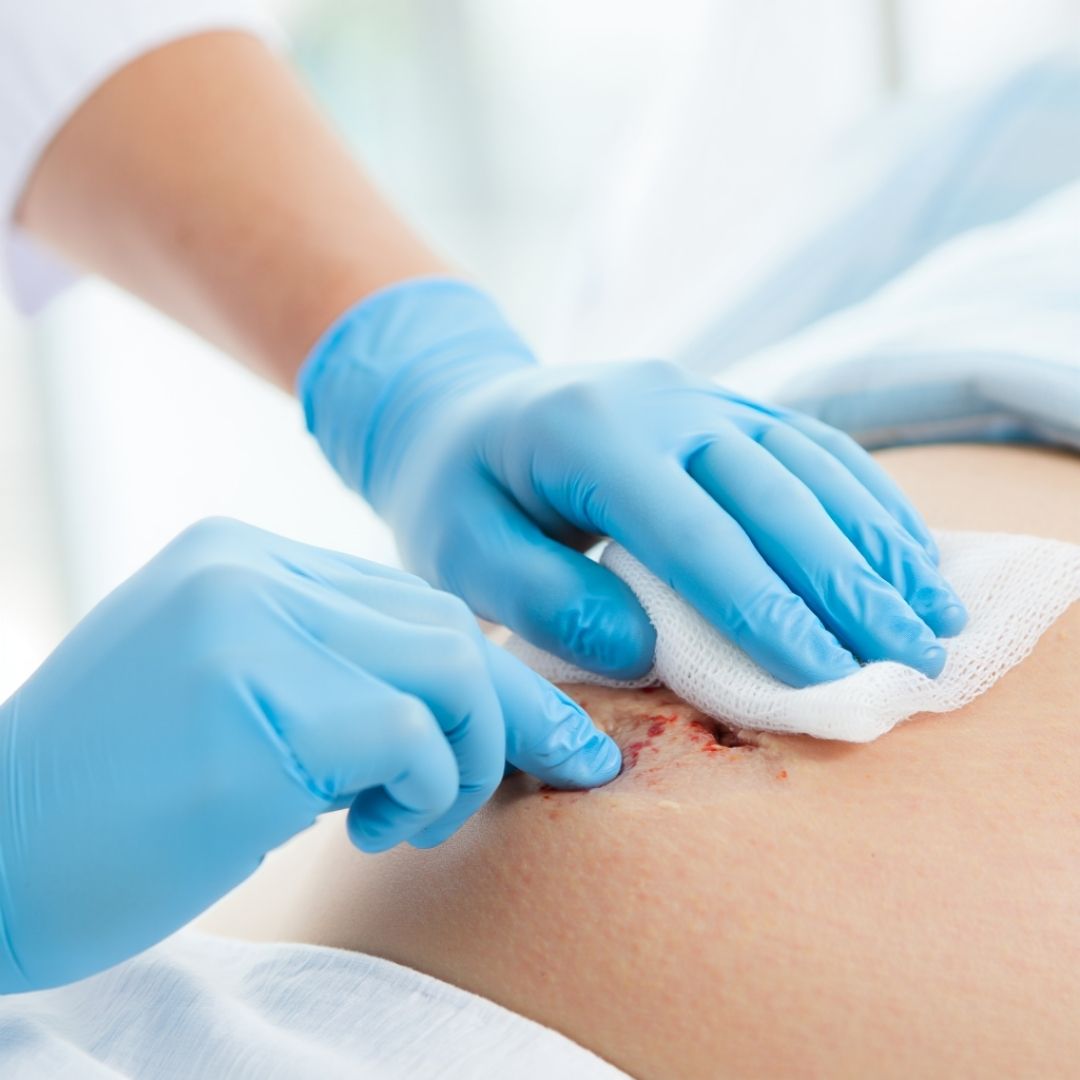
Wound Dressing for Pressure Ulcers: Best Practices and Uses
Wound Dressing for Pressure Ulcers: Best Practices and Uses
Wound dressings play a critical role in wound care—especially when in treating pressure wounds (also known as bedsores and pressure ulcers). More specifically, when managing pressure injuries, you’re not just treating an open wound—you’re treating the environment underneath it. This makes following care instructions essential to reduce the risk of complications and encourage optimal healing.
While many advanced treatments provide relief, wound dressings remain among the most important tools. The proper dressings support the body’s natural wound healing process while reducing discomfort and preventing infections.
However, healing rarely follows a one-size-fits-all approach, especially because pressure ulcers differ from person to person. At Royal Wound Care, we lead by education, evidence-based strategies, and patient-focused care. Therefore, in today’s guide, we will discuss how to effectively care for pressure ulcers and how to choose the right dressing for each stage of healing.
To learn more about recovery stages, we encourage you to visit: “How Long Does It Take for a Wound to Heal?”

Wound Dressing for Pressure Ulcers: Best Practices and Uses
More than 2.5 million people in the United States develop and experience pressure ulcers each year. As a result, patients experience longer hospital stays, life-threatening complications, and a decreased quality of life. However, not only are pressure ulcers treatable—they’re also incredibly easy to prevent.
Knowing the causes, warning signs, and successful treatment approaches is the first step. In this post, we will first discuss what a pressure ulcer is and what commonly causes them. Afterwards, we’ll explore how to efficiently treat pressure ulcers and which wound dressings are the best for recovery.
Know this: While many patients find pressure wounds embarrassing and exhausting, recovery is entirely possible. Whether navigating a pressure ulcer for yourself or a loved one, this post will help guide you to safe and successful recovery.
What Is a Pressure Ulcer?
Pressure ulcers, also known as pressure injuries, are areas of damaged skin and underlying tissue caused by prolonged pressure, friction, or shear. Without adequate circulation, tissues don’t receive the oxygen and nutrients they need to remain healthy.
Over time, ongoing tissue damage reduces blood flow, leading to oxygen deprivation (ischemia) and cell death (necrosis). As the injury worsens, it can spread into deeper layers of the skin and tissue, ultimately leading to pressure wounds.
These wounds often develop over bony areas with less muscle, leading to sustained pressure that restricts blood flow. More specifically, many patients most commonly experience pressure ulcers on their hips, tailbones, heels, shoulder blades, and elbows. While less common, these injuries can also occur in skin folds and from health care equipment.
More often than not, patients managing pressure wounds have a limited or total loss of mobility. Examples include individuals who are bedridden or in a wheelchair, the aging population, and people with underlying medical conditions. Additionally, pressure ulcers—pain, location, and appearance—differ significantly from venous ulcers, which can commonly confuse many patients. Learn more in our post, “How to Heal a Venous Ulcer.”
However, ultimately, the right care team matters. A professional wound care team can assess, diagnose, and treat pressure wounds at any stage. Additionally, they can transform a severe case with life-threatening complications into one that’s mild, easier to manage, and quicker to heal.
Related: Royal Wound Care At Home: A Nurse’s Step-by-Step Checklist
What Causes Pressure Ulcers?
Pressure ulcers develop due to a combination of factors—it’s more than continuous, sustained friction. Common causes and contributors include:
Prolonged pressure from sitting or lying in one position
Limited mobility, comatose states, or paralysis
Friction and shear during repositioning
Excessive moisture due to sweating or incontinence
Poor circulation
Underlying medical conditions such as diabetes, vascular disease, heart disease, or malnutrition
Inadequate nutrition and hydration
Advanced age or fragile skin
Understanding the causes is key to both prevention and management of pressure injuries.
Related: Nutrition and Wound Healing: What to Eat for Faster Wound Healing

How to Heal a Pressure Ulcer
Relieve and Redistribute Pressure
When healing a pressure ulcer, relieving sustained pressure or friction (also known as offloading) is the first and most important step. Doing so allows blood flow to rush to the area, which is essential for preventing further tissue damage.
Generally, frequent repositioning and shifting weight every couple of hours is the easiest way to achieve this. However, for some patients, this isn’t always possible. In these cases, pressure-reducing cushions and specialty mattresses can prove to be incredibly effective.
Related: Pressure Ulcer and Wound Care
Maintain a Clean, Protected Wound Bed
No matter what stage the ulcer is in, keeping the wound bed clean and free of bacteria is vital. This clears the area of bacteria and nonviable tissue, which is essential for preventing and treating infections.
When cleaning wounds, however, using the proper cleaning agents is just as important. Avoid harsh antiseptics, such as hydrogen peroxide, as they can damage healthy skin cells and instead make the ulcer worse. Antimicrobial ointments and prescribed treatments are much safer and more effective options.
Related: Avoiding Common Wound Care Mistakes: Expert Advice
Promote a Moist Healing Environment
Contrary to outdated practices and advice, wounds have the best chance of healing in a moist environment. This promotes better cell activity, keeping growth factors, proteins, white blood cells, and nutrients present and active.
Additionally, sufficient moisture helps keep nerve endings hydrated, reducing pain and itching for the patient. Wound dressings further accelerate this process by preventing infections and balancing moisture vapor transmission rate (WVTR).
Address Underlying Health Factors
Nutrition, circulation, and chronic medical conditions all influence wound healing. More specifically, because certain conditions can increase the likelihood of pressure ulcer development, managing overall health is essential.
Conditions like diabetes and Peripheral Artery Disease (PAD), for example, can impair circulation and limit blood flow. As a result, this may delay tissue repair and increase the risk of complications. When a patient coordinates care with health care providers, they can better address systemic factors alongside wound treatment.
Related: Edema and Diabetes and Slow Healing Wounds
Schedule an Appointment with a Wound Care Specialist
For those unsure of their next steps, a wound care specialist can prove invaluable to the healing process. At Royal Wound Care, we stand with patients from diagnosis through resolution—nobody has to heal alone.
Additionally, we lead with evidence-based clinical guidelines and cutting-edge research. Every patient, even when dealing with a common injury such as pressure wounds, is entirely different. Our team can customize a treatment plan that improves, accelerates, and promotes healing.
Quality of life doesn’t have to depend on chronic wounds. Instead, reach out to the Royal Wound Care team today.
Related: When to See a Wound Care Specialist: Signs It’s Time to Get Expert Help

What Are the Best Wound Dressings for Pressure Ulcers?
Selecting the right wound dressing is highly dependent on the wound’s depth, drainage level, and overall condition. Below are the best wound dressings for various stages of pressure ulcers:
Foam Dressings (Silicone-Based)
Silicone-based foam dressings are among the most commonly used options for pressure ulcers. They are highly absorbent, excellent for managing wound exudate, and provide a properly maintained moisture barrier. Additionally, they offer pain-free removal and can remain on the skin for multiple days without causing discomfort.
Foam dressings can also be used for ulcer stages 2-4, as the thicker foam contact layers effectively cushion bony prominences.
Hydrocolloid Dressings
Hydrocolloid dressings are gel-forming bandages that create a seal over the wound to support autolytic debridement. In other words, it promotes the body’s natural healing process by breaking down dead tissue. With this, the waterproof layer blocks bacteria, debris, and external threats to prevent infections.
Hydrocolloid dressings are best suited for shallow pressure ulcers with minimal drainage, particularly those in stages 2-3.
Alginate Dressings
Alginate dressings are natural wound dressings made from seaweed fibers. Ideal for pressure ulcers experiencing heavier drainage, these dressings transform into a soft gel when they come in contact with wound exudate. Additionally, they can absorb up to 20 times their weight in fluid and reduce bacteria load in the wound bed.
However, it’s important to note that this alginate dressing does require a secondary dressing. Additionally, it shouldn’t be used for dry wounds or those experiencing heavy bleeding.
Hydrogel Dressings
Hydrogel dressings are water-based dressings that keep the wound bed moist, reduce wound pain, and promote cell migration. Additionally, this dressing provides gentle debridement by loosening and removing dead and/or infected tissue.
Hydrogel dressings are best suited for dry to minimal exudate wounds. Otherwise, they can quickly become overwhelmed with too much drainage.
Film Dressings
Film dressings are thin, transparent coverings that protect the wound while allowing oxygen exchange. While one of the earlier wound dressings available, they are extremely effective for stage one ulcers or high-risk skin.
Because of their transparency, patients or physicians are able to monitor the area while still promoting a moist wound environment.
Using the appropriate wound dressing for pressure ulcers promotes safe healing, reduces the risk of infection, and improves quality of life.
Caring for pressure ulcers involves more than just treating the wound itself. Ongoing assessment, pressure management, and collaboration with wound care specialists ensure optimal outcomes. With the right combination of wound dressings, attention to overall health, and proper pressure relief, pressure injuries can heal, and quality of life can improve.
With the right level of care, pressure ulcers are both preventable and easily treatable. At Royal Wound Care, our highly trained team successfully reduces the risk of life-threatening infections while improving optimal healing outcomes. If you or a loved one is struggling, contact us today.
Additionally, for SNFs or independent nurses, we offer advanced education opportunities and professional partnerships to transform your career. Experience clinical excellence, faster healing, and better outcomes with hands-on training and expert-level precision.

WEST HILLS
7230 Medical Center Dr. Suite 100
West Hills, CA 91307
(818)–660–2977
BEVERLY HILLS
9735 Wilshare Blvd #210B
Beverly Hills, CA 90212
(818)–660–2977
If you are interested in making an appointment, please click here to find a Wound Care Center near you.
Request an Appointment at a Royal Wound Care Facility near you.
Royal Wound Care is the expert in wound healing. Our board-certified wound care specialists are ready to help you begin your healing journey. Click the button below to request an appointment at a Wound Care Center near you—no referral needed
© 2025 Royal Wound Care, LLC. All rights reserved.
site by Growth Partners Marketing