
Royal Wound Care was founded with a commitment to advancing the standard of wound care.
Royal Wound Care is a dedicated wound care center located in West Hills, California, specializing in advanced, comprehensive wound treatment. Founded by Dr. Moaddel, Royal Wound Care was born from his commitment to improve the way patients experience wound care. After witnessing the need for more compassionate, personalized care, Dr. Moaddel opened his own center to ensure that every patient receives the attention and expertise they deserve.
After witnessing the shortcomings in traditional wound care settings, Dr. Moaddel set out to create a better experience—one where patients receive the focused, attentive care they truly deserve. That vision became Royal Wound Care.

Our Mission
To deliver exceptional, accessible wound care tailored to the individual—whether in our state of-the-art clinic, at a skilled nursing facility, or in the comfort of a patient’s home. We treat the wound, but we also care for the whole person.
Why Choose Royal Wound Care?
Ongoing Education & Certification
For staff, families, and partner facilities, including wound in-services and professional training opportunities

Expert-Led Care by Board-Certified Providers
With years of hands-on experience managing chronic and complex wounds

Advanced Modalities
Including negative pressure therapy, mist ultrasound, debridement, Doppler studies, grafts, and more

Survey-Ready Documentation
That keeps facilities compliant and families informed

Truly Personalized Care Plans
Tailored to each patient’s condition, lifestyle, and healing goals

Mobile Services That Come to You
Care delivered at home, in clinics, or within partner facilities

A Team That Cares And The Results To Prove It
At Royal Wound Care, we deliver results that consistently outperform the national average. Our advanced healing process combines evidence-based treatments, personalized care plans, and direct physician oversight to ensure optimal outcomes. Unlike many clinics, every patient is managed by a board-certified wound care physician who evaluates their condition and customizes treatment from day one.
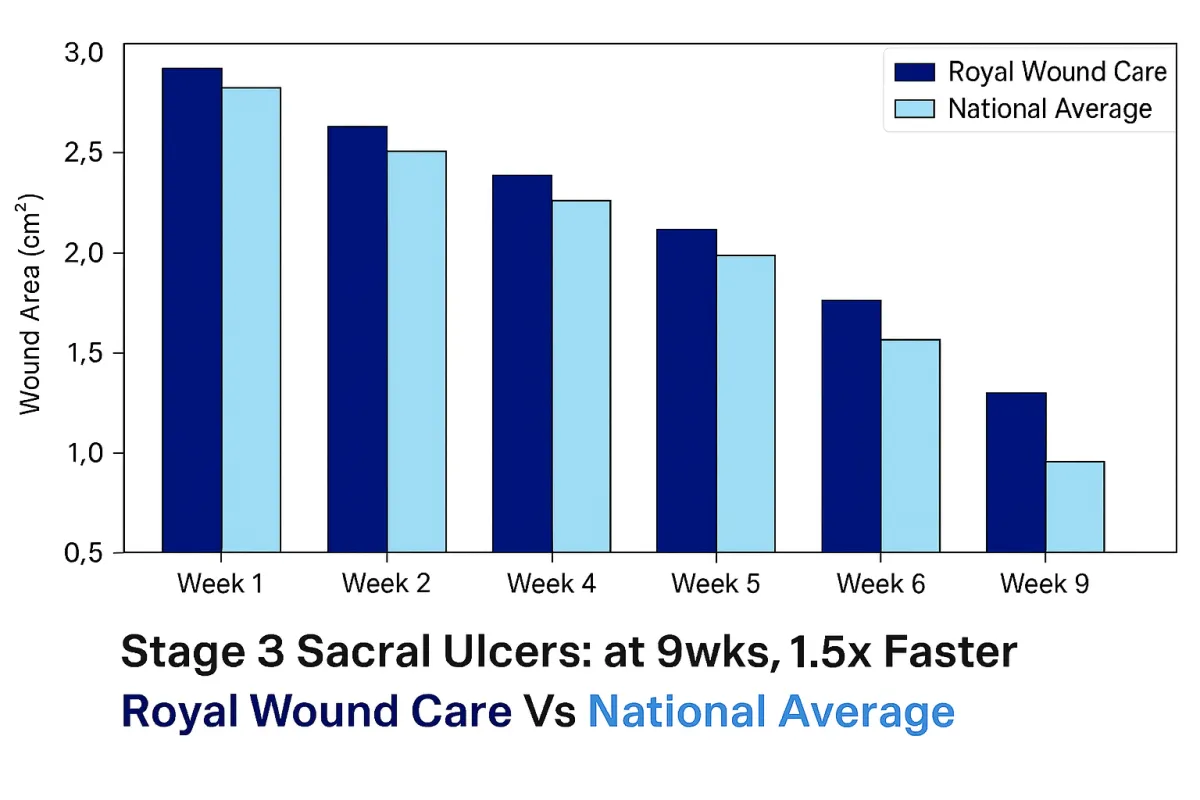
Our Stage 3 Sacral ulcer graph demonstrates how our approach leads to significantly faster healing compared to the national average. While traditional care results in gradual wound size reduction over several months, patients treated at Royal Wound Care experience more rapid progress through targeted therapies, aggressive infection control, and ongoing physician-directed adjustments to their care plan. Our proactive methods allow us to close even complex wounds weeks earlier than national trends, improving patient mobility, reducing pain, and preventing further complications.
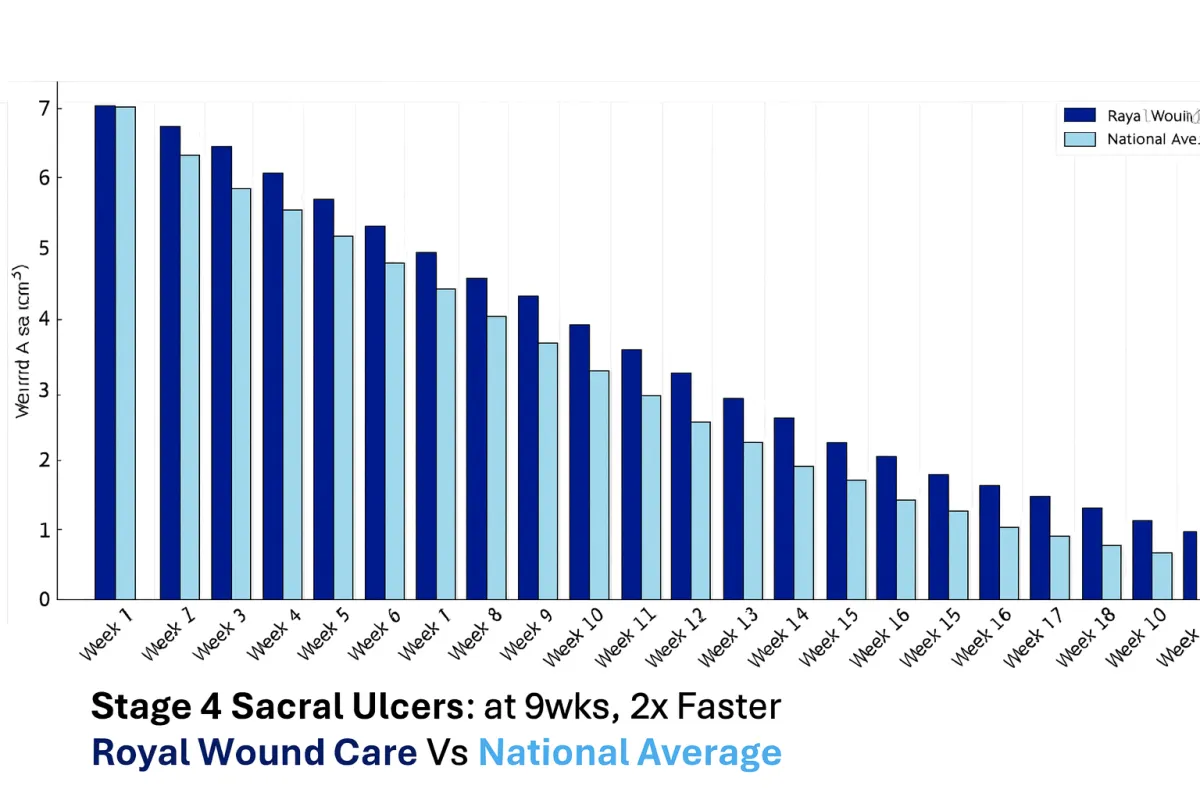
Stage 4 sacral ulcers are among the most complex wounds to treat, yet our outcomes set us apart. Patients at Royal Wound Care heal twice as fast as the national average by leveraging advanced biologic grafts, comprehensive infection management, and customized care protocols. These results highlight our proactive, physician-led care model, allowing us to manage even the most challenging cases successfully while improving long-term patient outcomes.
What Our Partners Experience
86% lower infection rates

47% faster healing compared to others

88% fewer wound-related rehospitalizations

58% faster pressure ulcer healing times

Ready to Heal with Royal Wound Care?

How Can a Diabetic Wound Heal Faster? Steps for Safe Recovery
How Can a Diabetic Wound Heal Faster? Steps for Safe Recovery
The body is naturally equipped to heal itself, but diabetes can make this process far more demanding. High blood sugar, reduced blood flow, and a weakened immune response slow the body’s ability to repair even minor wounds. At the same time, impaired circulation and nerve damage often make it difficult for individuals to notice injuries as they develop.
However, this doesn’t just slow healing—it also increases the risk of complications. As a result, people with diabetes are more susceptible to chronic wounds, diabetic foot ulcers, and, at times, serious infections.
Even so, the right level of care and intentional lifestyle changes can make all the difference. At Royal Wound Care, our mission is to make optimal wound care accessible to all. In light of this, today’s guide is all about helping patients and caretakers encourage diabetic wounds to heal faster, safer, and more effectively.

How Can a Diabetic Wound Heal Faster? Steps for Safe Recovery
Effective diabetic wound care requires a strategic and highly skilled approach. Especially because, for many, even a minor scrape can gradually progress into a more advanced injury if not treated properly.
Given this, we will discuss everything patients, caretakers, and SNFs should know about diabetic wounds. We’ll start by breaking down exactly what a diabetic wound is and what patients can expect in terms of healing. Afterwards, we’ll share expert-level tips for supporting an optimal healing process.
Whether you’re managing a new wound or dealing with a stubborn, chronic ulcer, this guide is designed to be both helpful and reassuring. Understanding the basics is essential for approaching care with confidence.
Related: Diabetes and Slow Healing Wounds
What Is a Diabetic Wound?
A diabetic wound is any cut, blister, sore, or ulcer that appears on the body in someone living with diabetes. Unlike standard wounds, these injuries are often influenced by diabetes-related complications, which can affect both how they develop and heal.
To begin with, consistently high blood sugar can damage nerves over time, leading to diabetic neuropathy. Nerve damage caused by diabetes doesn’t just make it difficult to recognize new injuries, though. It also affects the autonomic nerves that help regulate blood flow.
When this happens, patients experience reduced circulation in their extremities, resulting in a loss of feeling and sensation. Without adequate blood flow, wounds in these areas can’t receive the oxygen and nutrients necessary for proper healing.
This is how seemingly minor wounds can progress into chronic wounds that collect dead tissue and prevent regenerative growth. Additionally, the body must then work harder to fight infections, replace damaged tissue, and close the affected areas.
Related: Edema and Diabetes and Slow Healing Wounds: Understanding Care

How Long Does a Diabetic Wound Take to Heal?
The healing timeline for a diabetic wound can vary depending on several factors. For example, blood sugar levels, severity, infection risk, location, overall health, and level of treatment all contribute to full recovery.
Regarding ulcers, 30% to 40% of diabetic foot ulcers heal at 12 weeks with a recurrence rate of 1 to 5 years. Furthermore, the median healing time averages roughly 112 days. With proper care and early identification, patients have a significantly better chance of healing within this expected timeframe and of reducing the risk of long-term complications.
Otherwise, 20% of moderate or severe cases of diabetic foot ulcers can result in some level of amputation. In these cases, patients can achieve real relief through advanced treatments and the care of certified wound care specialists.
Ultimately, with diabetic wounds, there is no one-size-fits-all approach. This is why it’s essential to meet with a qualified wound care team, like those at Royal Wound Care. Proper education and cutting-edge techniques help to promote healing and reduce the risk of life-threatening complications.
There are, however, steps that patients can take to improve outcomes for their diabetic wounds. This is what we will discuss below.
Related: How Long Does It Take for a Wound to Heal: What Every Nurse and Patient Should Know

How to Heal Diabetic Wounds Faster
Maintain stable blood sugar levels.
For people with diabetes, maintaining a stable blood sugar is essential for healing. Consistently high blood sugar can negatively impact the process, impairing circulation and weakening the immune system. Additionally, high glucose levels disrupt white blood cell function— the body’s natural defense against bacteria and the cleanup of damaged tissue.
Stable blood sugar, on the other hand, supports overall health and allows the immune system to function properly. As a result, injured areas receive the oxygen and nutrients needed to protect the wound and prevent complications.
Clean the wound daily with proper techniques.
All wounds require gentle and consistent cleaning for healthy healing—including diabetic wounds. A good cleansing routine helps clear away debris, bacteria, and dead tissue—all of which interfere with recovery.
For those with diabetes, this step is especially important. Any present nerve damage can reduce circulation, making it more difficult to notice irritation or worsening symptoms. However, it’s crucial to avoid harsh antiseptic treatments, such as hydrogen peroxide or alcohol, that can dry out the wound. A moist, clean environment helps the wound healthy and free from infection.
Quick Action: Call Royal Wound Care to learn more about proper and improper cleaning techniques. We can evaluate your wound and provide necessary therapy to manage the area effectively.
Related: A Nurse’s Step-by-Step Checklist
Use doctor-recommended topical treatments.
When a diabetic wound is stable, patients should continue caring for it at home. However, a physician or certified wound care specialist may recommend treatments to accelerate healing and support the wound as it transitions through each stage of recovery.
Topical treatments, like antimicrobial ointments, hydrating gels, or dressing growth factor support, can all play an important role here. These treatments are designed to protect the area, keep the skin hydrated, and give the tissue what it needs to rebuild.
Choose the right wound dressing.
As mentioned above, wound dressings can be an exceptionally helpful tool for protecting the injured area—esepcially in home health care. The proper dressing protects the environment from bacteria while simultaneously managing moisture, creating an ideal healing setting.
However, this isn’t just beneficial at the moment. Using the right dressing will also reduce scarring and wound recurrence—an unfortunate but common outcome with improper care. Most importantly, avoid cotton gauze or non-sterile bandages for wounds.
Best Practice: Use a moisture-retentive, antimicrobial, or collagen-infused dressing as prescribed by a wound care specialist. Additionally, change the dressing every 1 to 3 days, or whenever they become dirty or wet.
Related: Avoiding Common Wound Care Mistakes
Relieve pressure to the wound.
Reducing pressure on the wound is extremely important, especially for those with diabetes. Any extra pressure can make it harder for wounds to heal by restricting blood flow and irritating the tissue. Because most diabetic wounds occur on the legs and feet, relieving pressure can be as simple as removing shoes or custom inserts—especially those worn for extended periods.
Along with this, any additional pressure can damage the tissue and increase the risk of ulceration. For those who are already trying to manage compromised circulation, this can quickly escalate issues. The quicker you offload pressure, the faster the wound can heal.
Related: Pressure Ulcers and Wound Care
Monitor for signs of infection early.
Catching signs of an infection early is essential for healthy wound recovery. If you notice any of the following, call Royal Wound Care immediately: increased redness, swelling, warmth, persistent pain, blood, or a foul odor.
Infections, especially if left untreated, greatly increase the risk of slow healing. In more severe cases, a minor injury can progress to a complex, chronic wound. Because those with diabetes often deal with reduced sensations, frequent check-ups become increasingly important.
Related: Caring for Your Wound
Improve circulation to the area.
The better the circulation, the easier it will be for oxygen and nutrients to reach injured areas. And, fortunately, simple habits can greatly reduce complications! As long as your provider approves them, practice gentle movements, foot elevations, or warm compresses.
Oxygen and nutrients are vital for cell growth and tissue regeneration. In addition, proper circulation helps the body flush out waste and reduce inflammation that may prevent healing. For more severe cases, reach out to the team at Royal Wound Care for advice on microcirculation techniques.
Follow a high-protein, nutrient-rich diet.
Wound healing is often a complex, energy-consuming journey. Because of this, the body needs enough fuel to rebuild tissue and sustain energy, which is exactly why nutrient-rich, high-protein meals are so important.
Vitamins, minerals, and antioxidants all contribute to different stages of the wound healing process. Omega-3 fatty acids, for example, are excellent in reducing inflammation. Leafy greens, on the other hand, assist in blood clotting and stimulate epidermal turnover. A balanced diet is a simple yet powerful way to promote healing from the inside out.
Related: Wound Healing and Nutrition: What to Eat for Faster Wound Healing
Avoid smoking and limit alcohol.
In addition to a balanced diet, we highly recommend that patients limit or entirely avoid smoking and alcohol consumption. Nicotine reduces oxygen and nutrient delivery, constricts blood vessels, and makes blood thicker.
In comparison, alcohol can impair the immune system, slow tissue repair, and increase inflammation. Both habits interfere with collagen production and result in dehydration—factors that can directly disrupt recovery.
Meet with a specialized wound care clinic.
For many patients, especially those with diabetes, professional help can truly be the turning point in healing. From initial diagnosis to resolution, Royal Wound Care provides the highest level of wound management. More specifically, a specialized clinic can…
Provide a sterile setting to minimize the risk of infection
Treat wounds using diagnostic tools and specialized wound care technology
Manage underlying conditions and wounds in one office visit
Consistently follow up and track the progress for faster healing
Produce faster procedures, consultations, and treatment access
An estimated 38 million Americans are living with diabetes right now. 25% of them will experience a foot ulcer, and 80% of them will undergo lower extremity amputations preceded by a foot ulcer.
At Royal Wound Care, we’re dedicated to preventing infections, reducing the risk of hospitalizations, and promoting faster, safer healing. You don’t have to live in fear or discomfort—no matter what type of wound you have.
Related: Diabetic Wounds on Legs: Why They Form and How to Treat Them
With proper care, you can heal diabetic wounds faster, safer, and more effectively.
For those living with diabetes, slow-healing wounds are a common challenge. Additionally, they often reflect underlying issues, like reduced circulation, neuropathy, and an impaired immune response. However, by understanding necessary prevention and proper care, patients and caregivers can safely and effectively heal diabetic wounds.
Wound healing, especially when it becomes complex, can feel like an overwhelming and stressful journey. However, at Royal Wound Care, we’re dedicated to bridging the gap between accessibility and proper care. Through mobile wound care and in-clinic wound care, our team is here to heal, help, and protect all patients—in whatever stage they are.
For SNFs or independent nurses, we also offer advanced education opportunities and professional partnerships. Through avoidable hospitalizations, improved patient outcomes, and lower facility costs, we don’t just want to improve the delivery of care—we want to redefine it.

WEST HILLS
7230 Medical Center Dr. Suite 100
West Hills, CA 91307
(818)–660–2977
BEVERLY HILLS
9735 Wilshare Blvd #210B
Beverly Hills, CA 90212
(818)–660–2977
Request an Appointment at a Royal Wound Care Facility near you.
Royal Wound Care is the expert in wound healing. Our board-certified wound care specialists are ready to help you begin your healing journey. Click the button below to request an appointment at a Wound Care Center near you—no referral needed
© 2025 Royal Wound Care, LLC. All rights reserved.
site by Growth Partners Marketing